
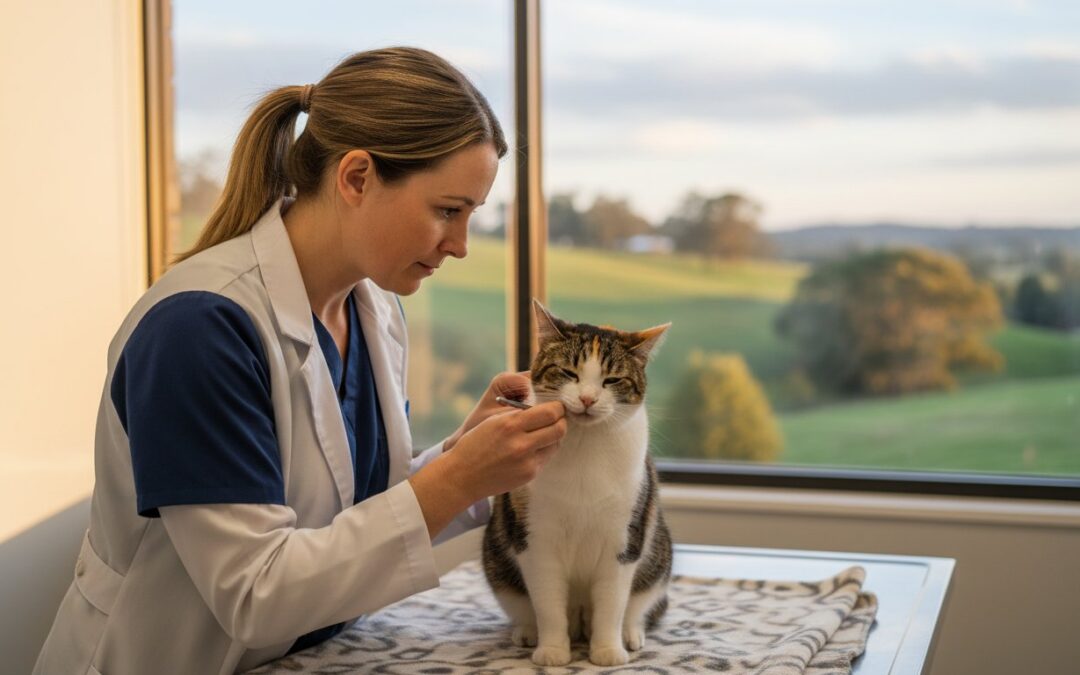
What if your cat’s “smelly breath” was actually a cry for help that they are hard-wired to hide? It’s a common worry for many owners who wonder if dental treats are enough or if a professional cat dental cleaning gippsland is truly necessary. We know you want the best for your companion, but the thought of general anaesthesia or the stress of a vet visit can feel overwhelming. Choosing a cat dental cleaning gippsland should be a decision made with confidence and peace of mind.
We believe that every pet deserves a pain-free life and a healthy smile. This guide will explain why professional care is essential for your cat’s longevity and how our clinics provide compassionate, Fear-Free treatment. You’ll learn the difference between surface-level cleans and clinical health, ensuring that a cat dental cleaning gippsland is a safe and supportive experience for your feline friend. Let’s explore how we can work together to keep your cat purring for years to come.
Key Takeaways
- Learn why bad breath is never “normal” and how to spot the subtle signs of dental pain your cat might be hiding.
- Discover what happens during a professional cat dental cleaning in Gippsland, including why pre-anaesthetic checks and X-rays are vital for safety.
- Understand the risks of “cosmetic” anaesthesia-free cleaning and why it often leaves painful underlying issues untreated.
- Get practical tips on introducing a dental home-care routine, from the right way to brush to choosing effective dental diets.
- Find out how Fear-Free techniques can transform your cat’s vet visit from a stressful event into a calm, supportive experience.
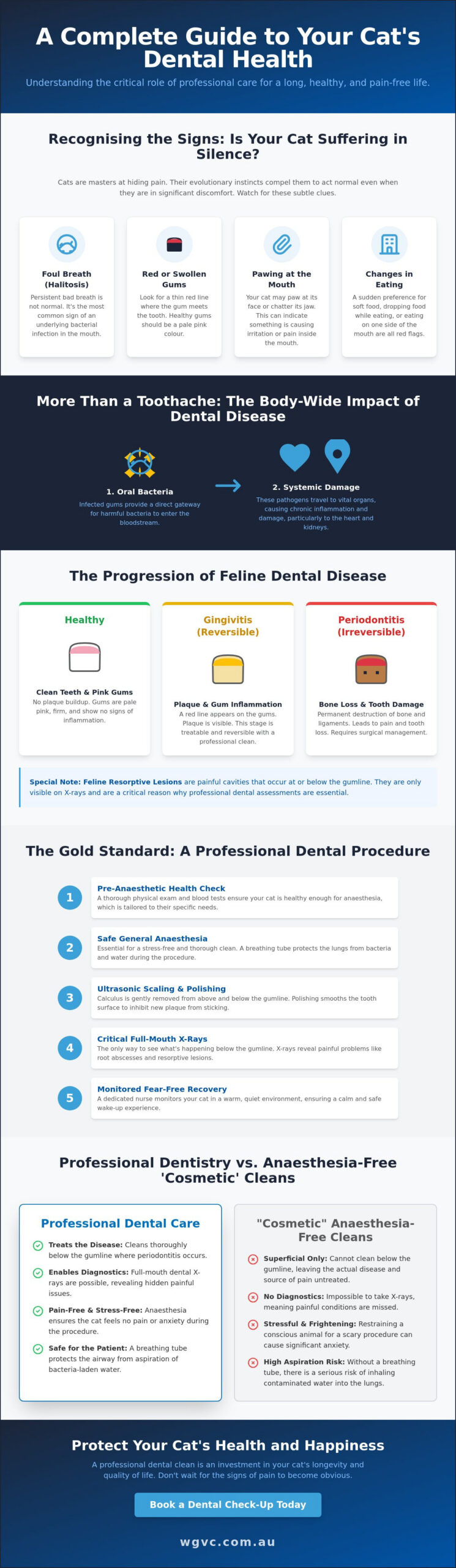
Recognising the Signs: Is Your Cat Suffering in Silence?
Most of us love a head-rub from our cats, but if that sweet nuzzle comes with a cloud of foul breath, it’s time to take notice. Halitosis isn’t just a quirk of feline biology; it’s often the first whisper of an underlying infection. In the wild, showing weakness or pain makes a cat a target. This evolutionary instinct remains strong in our domestic companions today. They’ll often continue to purr and eat even with significant oral discomfort, masking their vulnerability until the problem is quite advanced.
Keep a close eye out for visual cues during your quiet moments together. If you gently lift your cat’s lip, you might see a thin red line where the gum meets the tooth, or a buildup of yellow-brown tartar. Some cats might start “chattering” their jaw or pawing at their mouth as if something is stuck. You might also notice they’ve suddenly developed a preference for soft food over their usual biscuits. These aren’t just fussy habits; they’re clear signals that your pet may need a cat dental cleaning gippsland to resolve hidden pain. A thorough pet dental health check can help you identify these warning signs early before they develop into more serious conditions.
The Systemic Link: How Oral Health Affects the Whole Cat
The impact of a dirty mouth goes far beyond a few lost teeth. When a cat has dental disease, the gums become a gateway for bacteria to enter the bloodstream. These pathogens can travel to vital organs, specifically the heart and kidneys, causing micro-abscesses and chronic damage. There’s a well-documented connection between persistent oral inflammation and the progression of feline kidney disease. By choosing a cat dental cleaning gippsland early on, you aren’t just freshening their breath; you’re actively protecting their long-term organ function and extending their life.
Gingivitis vs. Periodontitis in Felines
Gingivitis is the early, reversible stage where the gums are inflamed but the bone remains intact. This is the ideal time for a professional prophylaxis to restore health. However, if left untreated, it progresses to periodontitis. This stage involves the permanent destruction of the ligaments and bone supporting the teeth. Feline periodontitis is a chronic condition requiring surgical management to stop pain and prevent further bone loss.
We also need to discuss Feline Resorptive Lesions, which are common but often missed by owners. These occur when the body begins to break down and absorb the tooth structure. A cat might look like they have a small red spot on their gum, but underneath, the nerve is often exposed and causing intense, throbbing pain. Within the field of Veterinary dentistry, identifying these lesions through X-rays is a priority. This is a major reason why a regular cat dental cleaning gippsland is so critical, as these lesions can go unnoticed for years without professional intervention. A thorough cat dental cleaning gippsland allows us to identify these lesions using digital imaging, putting a stop to the silent suffering many cats endure.
The Gold Standard: What a Professional Cat Dental Procedure Involves
Leaving your companion at the clinic can feel like a big step. We want you to know that your cat’s safety and comfort are our absolute priorities from the moment they arrive. Every cat dental cleaning gippsland starts with a thorough pre-anaesthetic health check. We listen to your cat’s heart and lungs, and often recommend blood tests to ensure their internal organs are ready to process the medication safely. This baseline of care helps us tailor the anaesthetic specifically to your pet’s age and health status.
General anaesthesia is essential for a safe and effective clean. It’s impossible to explain to a cat that they need to stay perfectly still while we work around their delicate gums. Anaesthesia allows us to place a breathing tube to protect their lungs from water and debris, ensuring a stress-free experience for the patient. According to the Cornell Feline Health Center, professional cleaning under anaesthesia is the only way to reach the bacteria hiding deep in the periodontal pockets.
Once your cat is comfortably asleep, we use ultrasonic equipment to gently vibrate away hardened calculus. This technology is incredibly effective at removing plaque without scratching the sensitive enamel. After the scaling is complete, we polish the teeth to smooth out the surface, making it harder for new plaque to stick. Throughout the entire process, a dedicated nurse monitors your cat’s vitals, staying by their side during the “wake-up” phase in a warm, quiet environment.
The Critical Role of Digital Dental X-Rays
Digital dental X-rays are a standard part of a high-quality cat dental cleaning gippsland. These images reveal the 60% of the tooth hidden beneath the gums, allowing us to identify painful “holes” known as resorptive lesions or catch tooth root abscesses before they cause facial swelling. Identifying these issues early means we can treat them before they lead to systemic illness. If you’re concerned about your cat’s oral health, a preventative dentistry consultation is a great first step toward a pain-free life.
Fear-Free Dental Care at West Gippsland Vet Care
We’ve designed our approach to be as gentle as possible. We use feline-specific pheromones and low-stress handling techniques to keep your cat calm. If extractions are necessary, we use local nerve blocks and tailored pain management plans to ensure they wake up feeling comfortable. Our recovery area is a dedicated space away from barking dogs, providing the peace and warmth your cat needs to recover properly after their cat dental cleaning gippsland.
Comparing Options: Professional Dentistry vs. “Cosmetic” Cleans
Choosing the right care for your pet often involves weighing up different options. You might have seen “anaesthesia-free” or “cosmetic” teeth cleaning advertised as a cheaper, safer alternative. While the idea of avoiding anaesthesia sounds appealing, these services can be quite misleading and even dangerous for your cat. The American Veterinary Medical Association emphasises that a proper dental exam requires anaesthesia to be both safe and effective. Finding a reliable cat dental cleaning in Gippsland means looking past the surface-level shine to ensure your cat’s actual health is being managed.
When a cat is awake, it’s impossible to safely scrape beneath the gumline where the real damage happens. This process causes immense stress and leaves micro-trauma on the enamel, which actually makes it easier for bacteria to stick in the future. It provides a false sense of security; the teeth might look white, but deep-seated infections remain untouched. A professional cat dental cleaning in Gippsland is a clinical intervention, not a beauty treatment. From a value perspective, one thorough clinical procedure is far more effective and safer than multiple superficial cleans that ignore the root of the problem.
When Extractions are the Kindest Choice
Sometimes, during a thorough exam, we find teeth that are simply too far gone to save. While it’s hard to hear that your cat needs extractions, it’s often the kindest choice we can make for their comfort. We prioritise a pain-free mouth over a full set of diseased teeth. Cats are incredibly resilient and have very strong gums. Once those painful, infected teeth are removed, they often start eating better and acting much more like their old selves. After oral surgery, we’ll guide you through a short period of soft food and post-operative comfort to ensure a smooth recovery.
Staged Procedures for Senior Gippsland Cats
For our older feline friends in the community, we understand that anaesthesia can feel like a bigger worry. To keep things as safe as possible, we often suggest staged procedures. This means we might split complex work into two shorter visits, which reduces the total time your senior pet spends under anaesthesia. It also helps spread the cost of care while maintaining the highest safety standards. If you also have a canine companion at home, you might find our guide on Dental Prophylaxis for Dogs: The Complete Step-by-Step Guide for Gippsland Owners helpful for understanding their specific needs. If your dog has also been showing signs of joint pain or mobility issues alongside their dental concerns, our orthopaedic vet Gippsland services can provide advanced surgical care to help them get back on their feet.
Home Care Roundup: Maintaining a Healthy Feline Smile
Once your pet has had a professional cat dental cleaning in Gippsland, they’ll have a fresh, healthy slate. The challenge for many owners is keeping it that way. While we don’t expect every cat to sit perfectly still for a full scrub, introducing a home-care routine can significantly slow down the return of plaque. Brushing remains the gold standard of care. We recommend using a soft finger brush and feline-specific, chicken-flavoured toothpaste. Start by letting them lick the paste as a treat, then slowly move to touching their gums. It’s all about positive reinforcement and patience.
If brushing feels like an impossible task, don’t worry. There are several effective alternatives that still make a difference. Dental-specific diets use larger kibble shapes that don’t shatter immediately. Instead, the tooth sinks into the biscuit, which gently “scrubs” the surface as they bite down. You can also find water additives and dental gels that help break down the biofilm before it hardens into tartar. Always look for the Veterinary Oral Health Council (VOHC) seal on any product you buy. This seal ensures the product has been scientifically proven to reduce plaque or tartar. You can enquire about dental-friendly products during your next visit to our clinic.
Gippsland Lifestyle and Feline Dental Health
Our local environment plays a subtle role in your cat’s oral health. In parts of Gippsland where bore water or “hard” water is common, the higher mineral content can sometimes accelerate tartar accumulation on the teeth. We also see a difference between our hard-working farm cats and our indoor town cats. Farm cats might have more opportunities to chew on varied textures, but they’re also at higher risk of chipped teeth from outdoor adventures. Whether your cat is patrolling a barn in Warragul or lounging on a sofa in Drouin, their dental needs are unique. We can help you select tooth-friendly treats and diets that suit their specific Gippsland lifestyle.
Building a Stress-Free Dental Routine
The secret to success is the “two-minute rule.” Keep your home-care sessions very short and always end with a favourite game or a cuddle. If you make it a rewarding part of their day, they’ll stop seeing the toothbrush as a foe. Regular grooming is another fantastic way to stay on top of things. As you brush their coat, you can take a quick peek at their gums. If you find that your cat is particularly sensitive about being handled, a Professional Cat Grooming in Drouin session can help them get used to gentle touch in a calm environment. Consistency is vital because plaque begins to harden into tartar within 24 to 48 hours. Daily effort, even if it’s just a dental treat or a quick gel application, is the best way to prevent future issues after a cat dental cleaning in Gippsland.
Why West Gippsland Vet Care is the Choice for Your Cat
Choosing a clinic for your cat dental cleaning in Gippsland is a decision based on trust. We understand that your cat isn’t just a pet; they’re a cherished member of your family. That’s why we’ve committed ourselves to Fear-Free veterinary care. This isn’t just a title; it’s a promise to handle your cat with the utmost gentleness, using techniques that lower their heart rate and keep them feeling secure from the moment they enter our waiting room. Our clinics in Warragul and Drouin are independently owned by locals who are deeply invested in the West Gippsland community. We aren’t part of a large corporate chain, so we have the freedom to prioritise your cat’s well-being above everything else.
Our advanced facilities ensure that your pet receives the highest standard of clinical care. With digital dental X-ray and an in-house laboratory on-site, we can perform diagnostics and get results quickly, often during the same visit. This reduces the time your cat spends under anaesthesia and allows us to make informed decisions in real-time. Whether you’re bringing in a new addition for kitten adoption dental checks or managing a senior pet health check, we provide a lifetime of support tailored to every stage of your cat’s life. Our comprehensive pet dental health check checklist for Gippsland pet owners is a valuable resource to help you understand what to expect and how to prepare for each stage of your cat’s dental care journey.
The WGVC Difference
We don’t believe in one-size-fits-all medicine. Every treatment plan we create is personalised, taking into account your cat’s age, breed, and any existing health conditions. Communication is the heartbeat of our practice. We’ll always explain every step of a procedure and provide detailed estimates so you feel confident and informed. You’ll often see the same friendly faces at each visit, allowing our vets to build a genuine relationship with you and your companion. This continuity of care means we understand your cat’s unique history and temperament, making every visit smoother and more comfortable.
Booking Your Cat’s Dental Assessment
A professional dental check-up every 6 to 12 months is the best way to stay ahead of oral disease. During this assessment, we’ll look for the subtle signs of discomfort we’ve discussed and create a comprehensive plan to keep your cat’s breath fresh and their heart healthy. It’s a simple step that can prevent major surgery down the track. We’d love to welcome you into our local community of happy, healthy Gippsland felines. If you’re ready to prioritise your pet’s oral health, we’re here to help you every step of the way. Helping your cat live a long, pain-free life is a commitment we take personally.
Give Your Cat the Gift of a Pain-Free Smile
Prioritising your cat’s oral health is a vital step toward ensuring they live a long, comfortable life by your side. We’ve explored how professional care protects more than just teeth; it safeguards vital organs and removes the silent burden of chronic pain. A professional cat dental cleaning in Gippsland provides the deep, clinical intervention necessary to address issues that home brushing simply can’t reach. By using in-house digital dental X-rays, we can identify and treat problems hidden deep within the jaw before they affect your pet’s quality of life.
Our team at West Gippsland Vet Care is dedicated to providing this essential care with the gentlest touch. Through our Fear-Free Certified handling and commitment to 24-hour emergency support for our existing clients, we ensure your cat feels safe and you feel supported. We’d love to help your companion enjoy a healthy, happy future. Book a Feline Dental Assessment at Our Warragul or Drouin Clinic today. It’s a simple way to show your pet just how much you care.
Frequently Asked Questions
How much does a cat dental cleaning cost in Gippsland?
The cost of a cat dental cleaning in Gippsland varies based on your pet’s individual needs, such as the severity of tartar buildup and whether extractions are necessary. We provide a transparent, detailed estimate after an initial dental assessment to ensure you understand the clinical steps involved. This personalised approach allows us to tailor the treatment to your cat’s specific health status rather than applying a flat fee that might not cover essential care.
Why does my cat need to be put under anaesthesia for a teeth clean?
Anaesthesia is vital for a safe, thorough, and stress-free procedure that allows us to clean deep beneath the gumline where the real disease sits. It also enables us to take precise digital X-rays and protect your cat’s airway from water and debris during the scaling process. Without anaesthesia, a cat would experience immense stress, and we would be unable to perform the clinical work required to truly resolve oral infections and pain.
Is my senior cat too old for a dental procedure?
Age itself isn’t a barrier to dental care, and many senior cats experience a significant “second youth” once chronic oral pain is removed. We perform comprehensive pre-anaesthetic health checks, including blood tests, to ensure your cat’s heart and kidneys are up to the task. For our older feline friends, we often use staged procedures to keep anaesthesia times short and safe while prioritising their comfort and long-term health.
How can I tell if my cat is in pain if they are still eating?
Cats have a strong evolutionary instinct to hide their vulnerability, which means they’ll often continue to eat even with severe dental infections or exposed nerves. Look for subtle shifts like dropping biscuits, chewing on only one side of the mouth, or suddenly preferring soft food. You might also notice they’re less social or paw at their face; these are often cries for help from a pet that is stoically masking significant discomfort.
How often should my cat have a professional dental check-up?
We generally recommend a professional dental assessment every 6 to 12 months to stay ahead of plaque before it hardens into permanent tartar. Regular checks are the best way to catch issues like gingivitis or resorptive lesions early, which can save your cat from future pain and more complex surgeries. These visits are a cornerstone of our preventative care for cats living in both town and rural Gippsland environments.
Will my cat be able to eat dry food if they have teeth extracted?
Most cats return to eating their favourite dry biscuits quite happily once their gums have healed following an extraction. Feline gums are remarkably tough, and removing a painful, infected tooth actually makes eating a much more pleasant experience for them. We’ll guide you through a short period of soft food during the initial recovery, but you’ll likely find your pet is far more enthusiastic about mealtimes once the pain is gone.
What are feline resorptive lesions and why are they so painful?
Resorptive lesions are a common condition where the body starts to break down and absorb the tooth, eventually exposing the sensitive nerve. These lesions are intensely painful, similar to a severe human toothache, and they cannot be fixed with simple fillings. Because they often start under the gumline, they’re nearly impossible to see without digital X-rays, which is why professional diagnostics are so important for a cat dental cleaning in Gippsland.
Can I use human toothpaste to brush my cat’s teeth?
You should never use human toothpaste for your pet as it contains ingredients like fluoride and foaming agents that are toxic to cats when swallowed. Since cats can’t spit, it’s essential to use a pet-specific toothpaste that is safe to ingest and comes in feline-friendly flavours like chicken or beef. Using the right paste makes the brushing routine much more rewarding for your cat and helps build a positive bond during your home-care sessions.