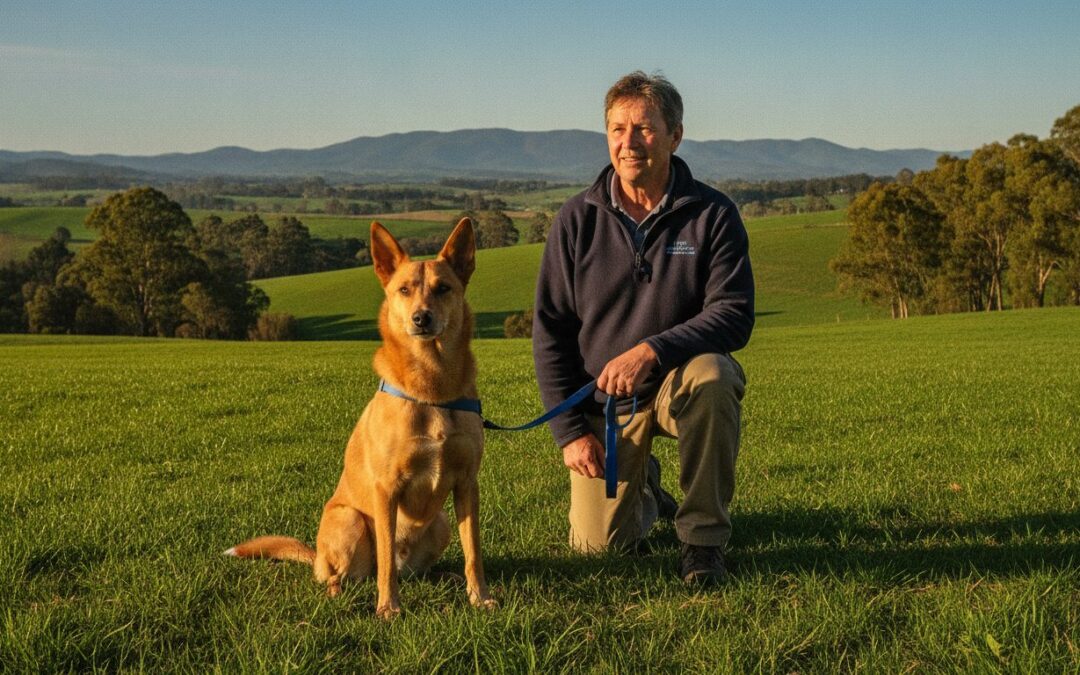
Imagine your Kelpie is already nudging her lead and eyeing the back paddock just two days after her surgery. It’s a common sight for Gippsland owners because laparoscopic procedures can reduce post-operative pain by up to 65 percent compared to traditional methods. When you are learning how to prepare your dog for keyhole spay, the focus is often on the surgery itself, but the real challenge begins once you are home with a high-energy mate who feels ready to sprint before her body has fully caught up.
We understand the anxiety of trying to keep a “feeling-fine” dog calm. You want them to enjoy our local trails and fresh air, yet the fear of internal stitches tearing is enough to keep any pet parent on edge. This guide will give you the confidence to manage that recovery window effectively. You will discover the exact timeline for returning to off-lead running and those much-loved zoomies, ensuring your girl heals safely and quickly. We will walk through a clear day-by-day exercise plan and help you identify the precise moment it is finally safe to ditch the lead for good.
Key Takeaways
- Keyhole spays offer a much faster recovery; most dogs feel like themselves again within two to three days rather than the traditional two weeks.
- Understanding how to prepare your dog for keyhole spay involves setting up a quiet space where they can rest comfortably during the initial 48-hour healing window.
- Gippsland owners need to be mindful of local conditions, such as long grass and damp ground, which can irritate small incisions during the first week.
- Follow our graduated exercise roadmap to safely transition your mate from lead walks to full off-lead zoomies without risking their internal health.
- Learn to identify the signs of healthy healing and the specific red flags that indicate your dog might need a check-up with the vet.
Why Keyhole Spay Recovery is Faster for Your Dog
When we talk about desexing, many owners picture a long recovery with their mate wearing a plastic cone and feeling quite sorry for themselves. A laparoscopic or “keyhole” spay changes that experience entirely. Instead of a large abdominal incision, our team uses specialised cameras and instruments to perform the procedure through two or three tiny holes, each usually less than a centimetre long. This approach focuses on an ovariectomy, which means only the ovaries are removed while the healthy uterus is left in place. This is a much less invasive method that avoids unnecessary trauma to the body.
One of the biggest reasons dogs bounce back so quickly is the minimal handling of internal organs. In a traditional spay, the surgeon often has to manually move tissues to reach the ovaries. With laparoscopic surgery, the camera provides a clear, magnified view, allowing for precision that simply isn’t possible with the naked eye. This lack of “tugging” on internal structures is why we see far less post-operative nausea and discomfort in our patients. As you learn how to prepare your dog for keyhole spay, it’s reassuring to know that this advanced technique is designed for their comfort from the very start.
The Science of Reduced Pain
The benefits aren’t just anecdotal. Clinical studies, including a well-regarded 2005 report, found that dogs undergoing keyhole surgery experienced a 65 percent reduction in post-operative pain compared to traditional methods. Because the incisions are so small, there is also a significantly lower risk of “seromas,” which are those uncomfortable fluid build-ups that can sometimes occur under the skin after surgery. Most of our patients are so comfortable that they don’t even try to lick their wounds, meaning most dogs can skip the “cone of shame” entirely.
Keyhole vs. Traditional Spay Milestones
The difference in timelines is quite striking. After a traditional spay, your dog would typically require 10 to 14 days of strict crate rest and lead-only toilet breaks to ensure the large incision heals. With a keyhole procedure, most dogs are back to their usual, bubbly selves within 24 to 48 hours. However, this “feel-good” factor can be a bit of a trap. Because they don’t feel much pain, they might try to jump or run before the internal healing is complete. Part of knowing how to prepare your dog for keyhole spay is planning how to keep them calm during those first few high-energy days at home.
The 7-Day Activity Roadmap: From Lead to Running
While your mate might be wagging her tail and looking for her ball by the morning after surgery, she isn’t quite ready for the local dog park just yet. Internal healing is a quiet, steady process that continues long after those tiny skin incisions have sealed over. Part of how to prepare your dog for keyhole spay is setting up a recovery zone that matches their actual physical needs, rather than their perceived energy levels. Think of this first week as a graduated return to life as usual, where we slowly increase their “energy budget” each day.
It is important to remember that while the outside looks healed, the internal tissues where the ovaries were removed still need time to strengthen. Sudden, explosive movements are the main risk during this window. By following a structured plan, you can ensure your dog stays comfortable and safe while avoiding the complications that come from doing too much, too soon.
Days 0 to 2: Rest and Reorientation
The first 48 hours are all about stillness and safety. Keep your dog in a quiet area with non-slip flooring, such as a carpeted lounge room, to prevent any accidental slips that could strain the surgical sites. Even if you have a securely fenced backyard in Drouin or Warragul, use a lead for every toilet break. A sudden bolt after a magpie or a neighbourhood cat is all it takes to cause internal discomfort. It is also vital to block off stairs and keep them off the couch; a gentle lift is much safer than a leap during these early days.
Days 3 to 5: Controlled Lead Walking
By day three, you can start reintroducing short, controlled walks. Keep these to a “sniff and stroll” pace on a short lead rather than a vigorous hike. It is tempting to let them off for a quick run if they seem bright, but standard Post-Operative Care Instructions highlight that vigorous activity should be restricted for at least a week to ensure proper internal recovery. Instead of physical running, use this time for mental enrichment. Lick mats or puzzle toys are brilliant for burning off that “cooped up” energy without risking a stitch. If you notice your dog is becoming particularly restless, our team can offer professional guidance on post-op care and calming strategies.
Day 7 and Beyond: The Return to Running
Once you hit the one-week mark, take a close look at the two or three small entry points. If the skin looks calm, flat, and free of redness, you can begin low-impact off-lead time. Start in a flat, enclosed area rather than a steep paddock to avoid heavy jumping or twisting. We generally recommend waiting until day 10 before letting them swim in local dams or run through muddy Gippsland paddocks, as moisture and debris can still introduce bacteria to the healing sites. How to prepare your dog for keyhole spay involves this final bit of patience, ensuring their return to the paddock is a permanent one.
Managing Recovery in a Gippsland Environment
Most recovery guides are written for city dwellers with manicured parks and apartment lifts. In West Gippsland, our environment is a bit more rugged. If you are researching how to prepare your dog for keyhole spay, you need to consider the “paddock problem.” Long grass, hidden rabbit holes, and uneven terrain are all risks for a dog with fresh internal stitches. Even though the incisions are tiny, a sudden twist on a slope can be uncomfortable. For the first five days, a flat, tidy backyard is far safer than an open paddock.
Our local winters are famous for thick, sticky clay. While keyhole sites are small and often closed with surgical glue, keeping them clean is vital. If your dog heads out into a muddy paddock, that moisture can soften the glue or trap bacteria against the skin. Try to keep your mate on gravel paths or short grass until the sites are completely dry and sealed. If they do get a bit of grit on them, a gentle pat with a clean, damp cloth is usually all that is needed, but avoid scrubbing the area.
We also need to think about “pack mentality.” If your dog is used to being part of a team or hanging around stock, they might forget their restrictions the moment they see action. They should not be jumping in and out of the ute or chasing after the tractor just yet. That vertical leap into a tray is exactly the kind of high-impact movement we want to avoid for the first week. It is much better to keep them separated from other farm animals for a few days to prevent any accidental roughhousing.
Farm Dog Challenges
Working breeds like Kelpies and Collies present a unique challenge. They live to work, and seeing stock can trigger an instinctive sprint. If your dog usually lives outdoors, you might need to use a crate or a small, secure pen for a few days to prevent them from “self-exercising” when they see the sheep or cattle moving. Gippsland clay gets incredibly slippery when wet. A quick “zoomie” on a slick patch of mud can lead to a nasty slide, so keeping them contained is the kindest thing you can do during their early recovery.
Local Hazards During Restricted Rest
A dog on restricted rest can sometimes be more vulnerable to local wildlife. When they are on a lead or confined to a smaller area, they have less room to move away from unwanted encounters. In our region, it is always worth being mindful of snakes, especially during the warmer months. If you are worried about what to do in an emergency, it helps to read up on snake bite treatment for dogs Gippsland. Keeping your mate in a clear, enclosed backyard makes it much easier to supervise them and keep them away from long grass where snakes might hide while they are still healing.
Post-Op Red Flags: When to Call the Vet
While keyhole surgery is remarkably gentle, your role at home remains vital for a smooth recovery. Part of how to prepare your dog for keyhole spay is familiarising yourself with the typical appearance of the surgical sites. Usually, you will see two or three tiny entry points, often sealed with a clear or slightly purple surgical glue. These should remain flat and dry. A small amount of redness or a tiny firm lump around the glue is often just the body’s natural response to healing.
Problems are rare, but they do happen. You should contact us if you notice any of the following “Red Flags”:
- Significant swelling: A lump that is rapidly growing or feels very hard.
- Discharge: Any weeping, pus, or persistent bleeding from the sites.
- Heat: The skin around the incisions feels noticeably hot to the touch.
- Persistent pain: While some quietness is normal, signs like constant pacing, heavy panting, or hiding away suggest your mate is uncomfortable.
We provide a 24-hour emergency service for our existing clients, so you never have to worry alone. If you feel something isn’t right, even if it’s just a “gut feeling” about their behaviour, please reach out. Knowing you have that support allows you to focus on your dog’s comfort without unnecessary stress.
Wound Care Without the Cone
One of the joys of this procedure is that most dogs don’t feel the need to fuss with their wounds. However, if you have an “obsessive licker” who won’t leave the area alone, a soft collar or a recovery onesie might still be necessary. If your dog manages to get a bit of Gippsland mud on the surgical glue, don’t panic. Simply use a clean cloth and lukewarm water to gently pat the area dry. Avoid using soaps or antiseptics unless we’ve specifically recommended them. You might also notice a “seroma,” which is a soft, painless fluid pocket under the skin. These are usually harmless and resolve on their own, but we always prefer to hear from you if you’re unsure.
Appetite and Energy Levels
Most dogs are ready for a light meal the evening they return home, though some might wait until the following morning for their full appetite to return. Hydration is equally important; make sure fresh water is always within easy reach. A common trap is the “Day 3 Dip.” Because the initial pain relief from the clinic starts to wear off, some dogs might seem a little quieter on the third day. However, a sudden drop in energy, a refusal to eat, or a fever are signs that need immediate attention. If you have any concerns about your dog’s progress, contact our friendly team for advice or to book a check-up.
Advanced Keyhole Surgery at West Gippsland Vet Care
Choosing the right team for your dog’s procedure is just as important as the surgery itself. At West Gippsland Vet Care, we have invested in the advanced laparoscopic equipment and specialised training required to make keyhole surgery a reality for our local community in Warragul and Drouin. Understanding how to prepare your dog for keyhole spay is the first step, and choosing a team that prioritises a “Fear Free” philosophy ensures your mate’s emotional well-being is cared for alongside their physical health. From the moment they walk through our doors, we use gentle handling techniques and a calm environment to make their hospital stay as stress-free as possible.
Our surgical expertise extends beyond routine desexing. Having an orthopaedic vet Gippsland on-site means our team has a deep understanding of complex surgical anatomy and precision. This high-level experience translates into every keyhole procedure we perform, giving you peace of mind that your dog is in the most capable hands. If you are wondering if your dog is a suitable candidate for this minimally invasive approach, we encourage you to book a consultation so we can discuss their specific needs and health history.
Combined Keyhole Spay and Gastropexy
For owners of large, deep-chested breeds like Great Danes, Labradors, or German Shepherds, we offer a significant “two-for-one” advantage. Using the same tiny keyhole access points, we can perform a preventative gastropexy at the same time as the spay. This procedure involves internally securing the stomach to the body wall to prevent Gastric Dilatation-Volvulus (GDV), commonly known as “bloat.” Bloat is a life-threatening emergency that is unfortunately common in certain breeds across Gippsland. By combining these procedures, we provide the ultimate level of preventative care with just one anaesthetic and one recovery period.
A Personal Commitment to Your Mate
We aren’t just your vets; we are your neighbours. Our roots in the Gippsland community run deep, and we view every patient as a member of our extended family. This personal commitment is why we provide 24-hour emergency support to our existing clients. If you have questions during that first week of recovery, we are here to listen and help. We also organise structured post-operative follow-ups to check those small incisions and ensure your dog is meeting their milestones. Our goal is to see your mate back to their happy, off-lead lifestyle as safely and quickly as possible. When you’re ready to take the next step in how to prepare your dog for keyhole spay, our team is here to guide you through every part of the journey.
Ready for a Faster, Gentler Recovery?
Watching your dog bounce back with vitality just a few days after surgery is one of the greatest benefits of laparoscopic care. By following our 7-day roadmap, you can balance their natural desire to play with the physical need for internal healing. While the tiny incisions may seem fully closed within 48 hours, remember that the first week is about steady, graduated progress to ensure they can return to the back paddock without any setbacks. Managing local Gippsland conditions like muddy ground and steep terrain during this window is the best way to protect your mate’s long-term health.
If you are still learning how to prepare your dog for keyhole spay, our team is here to support you with professional, Fear-Free certified care. We specialise in minimally invasive surgery and offer the peace of mind that comes with 24/7 emergency support for all our existing clients. We invite you to Book a Keyhole Spay Consultation at West Gippsland Vet Care today to see if this advanced approach is the right choice for your dog.
We look forward to helping your mate heal quickly so they can get back to their favourite zoomies across the Gippsland hills as soon as possible.
Frequently Asked Questions
Can my dog jump on the couch after a keyhole spay?
No, your dog should avoid jumping on furniture for at least five to seven days after her procedure. Even though the external holes are tiny, the internal tissues of the abdominal wall are still in the early stages of healing. A sudden leap can put unnecessary strain on these delicate areas. We recommend lifting your mate onto the couch if she needs a cuddle, or setting up a comfortable bed on the floor to keep her settled and safe.
What happens if my dog accidentally runs or jumps before Day 7?
If your dog has a sudden “zoomie” or jumps before the one week mark, don’t panic, but do keep a very close eye on her. Check the small incision sites for any new swelling, redness, or weeping discharge. Most dogs will be fine after a single slip, but if she seems unsettled or the area looks angry, please reach out to our team. This risk is exactly why we emphasise lead-only toilet breaks during the first week of recovery.
Does my dog need to wear a cone after laparoscopic surgery?
Most dogs do not need to wear a “cone of shame” after a laparoscopic spay because the incisions are so small and non-irritating. Since there is significantly less trauma to the skin, dogs are far less likely to lick the area compared to a traditional spay. However, if you have a particularly curious mate who won’t leave the surgical glue alone, we might suggest a soft collar or a recovery suit just to be safe.
Can I take my dog for a walk in the rain after her spay?
It is best to keep your dog’s surgical sites dry for at least seven to ten days, so avoid walks in the rain if possible. Moisture can soften the surgical glue or trap bacteria against the healing skin, which increases the risk of a local infection. If she must go out in the damp for a quick toilet break, keep it very brief and gently pat the area dry with a clean towel as soon as she comes back inside.
When can my dog go back to her professional grooming sessions?
You should wait at least 14 days before booking a professional grooming session for your dog. The skin needs to be completely sealed and the internal healing well underway before she is exposed to shampoos, high-pressure dryers, or clippers near the surgical sites. When you are learning how to prepare your dog for keyhole spay, it is a great idea to schedule any necessary grooming a few days before the surgery so she is clean and comfortable for her recovery.
Is it normal for my dog to be sleepy for two days after a keyhole spay?
Yes, it is quite normal for your dog to be a bit quiet or sleepy for the first 24 to 48 hours. Her body is processing the anaesthesia and settling into the recovery phase. While she should still be willing to get up for toilet breaks and take small sips of water, a little extra napping is a healthy part of the natural healing process. If she seems excessively lethargic or won’t respond to her name, please give our clinic a call for advice.
How much exercise is “too much” in the first 48 hours?
During the first 48 hours, anything beyond a slow, lead-only walk for toilet purposes is considered too much exercise. This window is the most critical time for the surgical sites to begin sealing. When considering how to prepare your dog for keyhole spay, plan to have a small, quiet area ready where she won’t be tempted to run or jump. Mental stimulation, such as a lick mat or puzzle toy, is a much better way to use her energy during this quiet time.
Do the stitches need to be removed after a keyhole spay?
In most cases, there are no external stitches to be removed after a keyhole procedure. We typically use internal, dissolvable sutures and seal the skin with a special surgical glue. This means less irritation for your dog and no need for a specific “stitch removal” appointment. We will always confirm the specific closure method used for your dog during her discharge so you know exactly what to look for as she heals.