
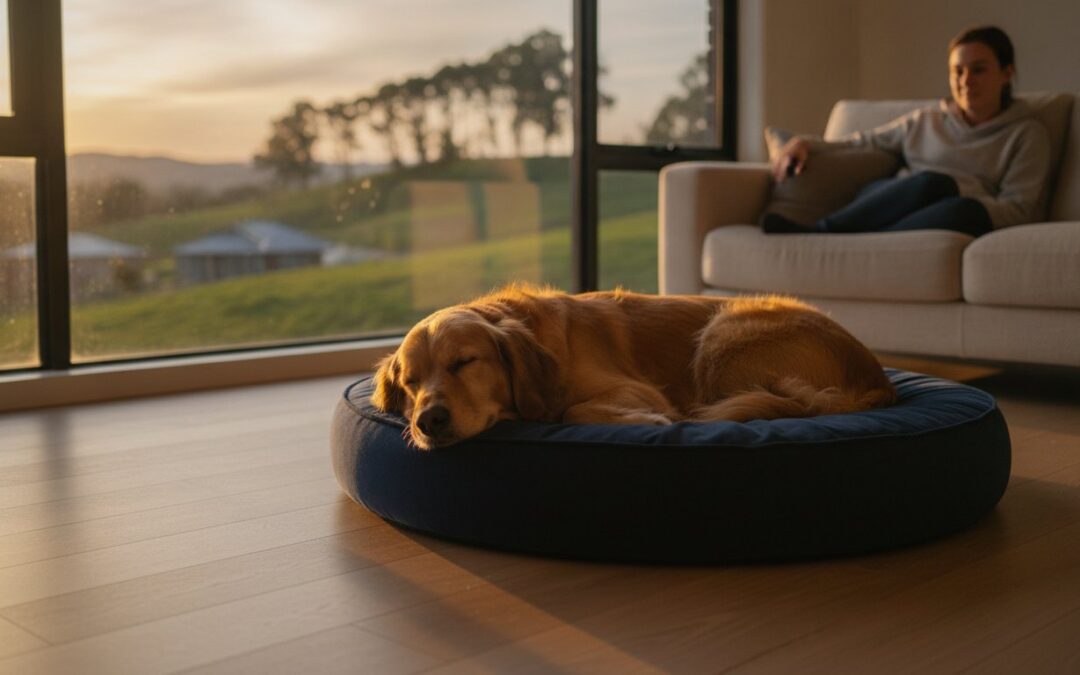
You’ve just walked through your front door in Warragul or Drouin, and while you’re relieved to have your furry family member back, seeing them stumble or stare blankly at the wall feels incredibly unsettling. It’s completely natural to feel a knot in your stomach when your usually energetic companion seems like a different animal altogether. You want to provide the best care possible, but the “what-ifs” can feel overwhelming as the sun begins to set on their first night home. Knowing exactly what to expect after your pet’s anaesthesia is the first step in ensuring their recovery is as gentle and Fear Free as possible.
We understand that the hours following a surgery or procedure are often the most stressful for Gippsland pet owners. This guide serves as your compassionate roadmap to help you navigate this recovery journey with a sense of calm and clarity. We’ll outline the normal stages of waking up, provide a simple plan for their first evening, and clarify those sometimes confusing medication schedules. By the end of this article, you’ll feel confident identifying the difference between a sleepy pet and a genuine red flag, knowing that our dedicated team is always here to support our existing clients with 24-hour emergency care if something doesn’t feel right.
Key Takeaways
- Understand what to expect after your pet’s anesthesia, including why they might seem “drunk” or wobbly during the initial 24-hour recovery window.
- Learn how to set up a quiet, Fear Free recovery suite at home that minimises stress and keeps your companion safely tucked away from busy household activity.
- Discover the “half-portion” rule for their first meal and why a temporary lack of appetite is a common part of the healing process.
- Gain the confidence to distinguish between normal post-operative grogginess and signs of actual pain that may require a medication adjustment.
- Identify the specific “red flag” symptoms that require immediate attention and how to distinguish between a healthy surgical wound and a potential infection.
The First 24 Hours: Understanding the Groggy Phase of Anesthesia
When you first arrive home in Warragul or Drouin, your pet might seem a little “off” or even look like they’ve had one too many at the local pub. This wobbly, disoriented behaviour is a very common part of recovery. A foundational part of understanding veterinary anesthesia is recognising that every animal metabolises medication at a different rate. While some pets bounce back quickly, others need more time for their system to clear the sedative combinations we use to keep them safe and relaxed during surgery. Knowing what to expect after your pet’s anesthesia allows you to create a peaceful environment where they can wake up at their own pace.
You might notice your pet making strange noises, such as whining, howling, or chirping. This is often “emergence delirium,” which is essentially a state of temporary confusion as the drugs wear off. It doesn’t necessarily mean they’re in pain, though it can be distressing to hear. Along with the grogginess, you’ll see a small patch of clipped fur on their front leg where the IV catheter was placed. You might also notice a very slight, dry cough. This is usually just a bit of minor irritation from the endotracheal tube that helped them breathe during their procedure. These small physical reminders of their surgery typically resolve within a day or two.
Common Post-Anaesthetic Symptoms
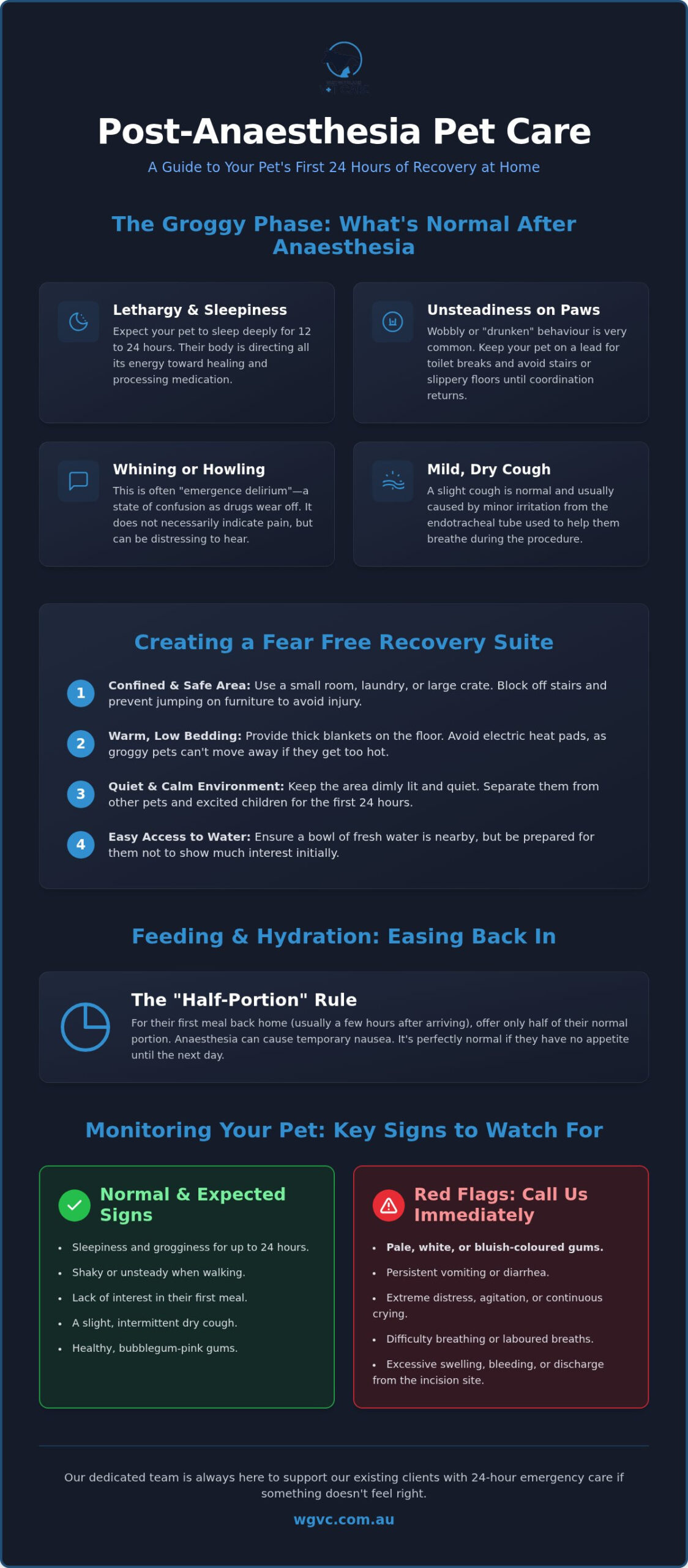
- Lethargy and sleepiness: It’s perfectly normal for your pet to sleep for 12 to 24 hours after they return home. Their body is directing all its energy toward healing and processing the medications.
- Unsteadiness on paws: Those first few trips outside for a toilet break can be shaky. We recommend keeping them on a lead and avoiding slippery floorboards or steep stairs until their coordination returns.
- Mild coughing: If your pet has a soft cough, don’t panic. The breathing tube used during anaesthesia can leave the throat feeling a bit scratchy, similar to how we might feel after a procedure.
Temperature Regulation and Comfort
Because anaesthesia can temporarily interfere with a pet’s ability to regulate their own body temperature, they often feel quite chilly once the drugs begin to wear off. You can help your companion stay cosy by preparing a warm, draft-free nest with extra blankets. Avoid using electric heat pads or hot water bottles directly against their skin, as a groggy pet may not be able to move away if they get too hot, which can lead to accidental burns. A safe way to monitor their wellbeing is by checking their gum colour. They should be a healthy, bubblegum pink. If the gums look pale, white, or blueish, please reach out to our team immediately.
Creating a Fear Free Recovery Space at Home
Coming home after a surgical procedure can be a sensory overload for a pet still processing medication. At West Gippsland Vet Care, we believe that a “Fear Free” recovery is essential for a smooth transition from clinic to couch. This approach focuses on reducing anxiety and environmental triggers that might cause your pet to panic or move too suddenly. Part of what to expect after your pet’s anesthesia is a heightened sensitivity to loud noises and bright lights. By creating a dedicated “recovery suite”, you’re giving them the best chance to wake up fully in a stable, predictable environment.
Managing the rest of the family is just as important as managing the patient. While children might be eager to welcome their best friend back, a groggy pet can be unpredictable or easily overwhelmed. It’s best to keep other household pets in a separate room for the first 24 hours. This prevents accidental scuffles and ensures the patient doesn’t feel the need to defend their space while they’re feeling vulnerable. According to Washington State University’s guide to pet anesthesia, behavioural changes are common during this time. A quiet, low-light setting helps minimise these stresses and encourages restorative sleep.
Preparing the Perfect Recovery Zone
Your pet’s recovery zone should be a confined area where they can’t jump onto furniture or run up stairs. A laundry, a small bedroom, or even a large crate can work well. This prevents them from accidentally hurting themselves while their coordination is still returning.
- Soft, low bedding: Use thick blankets or a bed that sits directly on the floor to prevent any trips or falls.
- Pheromone support: Using a diffuser can provide a subtle, calming scent that reassures your pet during their recovery.
- Quiet background: Soft classical music or white noise can help mask sudden Gippsland sounds, like passing tractors or barking neighbours, which might startle a sensitive pet.
Supervising Outdoor Time
Even if your dog is usually perfectly behaved off-lead, they must be kept on a short lead for all toilet breaks during the first few days. The “zoomies” are a real risk as they start to feel better. A sudden burst of energy can easily jeopardise internal stitches or a delicate surgical site. Keep these trips brief and purposeful, especially if Gippsland’s unpredictable weather brings mud or rain that could contaminate the wound. If you have questions about specific activity restrictions, our team is happy to discuss Fear free veterinary care tailored to your pet’s unique needs.
Managing Post-Op Pain and Medication Safely
While seeing your companion rest quietly in their new recovery suite is a relief, it’s natural to feel a bit anxious about their comfort levels. Understanding what to expect after your pet’s anesthesia involves more than just watching them sleep; it’s about staying one step ahead of their pain. Our team at West Gippsland Vet Care provides a tailored pain management plan for every patient, ensuring they have the right support to heal without unnecessary distress. Modern veterinary medicine allows us to use a combination of medications that work together to block pain at different levels, which is often much more effective than relying on a single drug.
It is vital to remember the golden rule of home recovery: never give your pet human painkillers. Common household medications like Panadol or Nurofen are highly toxic to dogs and cats, and even a small dose can lead to life-threatening kidney or liver failure. Stick strictly to the medications dispensed by your West Gippsland vet. To keep things simple, we recommend setting alarms on your phone or placing a checklist on your fridge to track when each dose is due. This helps you maintain a steady level of relief in their system, preventing “breakthrough” pain before it starts.
Identifying Signs of Discomfort
Distinguishing between post-surgical grogginess and actual pain can be tricky. While the “drunk” phase involves wobbly legs and sleepiness, pain often manifests as an inability to settle. You might notice your pet shifting positions constantly or panting heavily even though the room is cool. Other subtle cues include a “tucked-up” appearance in the abdomen or an unusual intensity when guarding their surgical site. If your pet seems excessively restless or vocal despite their medication, please reach out to us. We may need to adjust their dosage or try a different combination to ensure they remain comfortable.
Tips for Administering Medication
Getting a fussy pet to take their medicine shouldn’t be a battle that causes more stress. If your vet has given the “all clear” for treats, hiding tablets in a small piece of cooked chicken or a “pill pocket” can make the process seamless. For our fussy feline friends, liquid medications can often be easier to mix into a tiny amount of high-value wet food. If your pet happens to vomit shortly after taking their meds, don’t immediately give a second dose. Instead, give our clinic a call so we can check if enough of the medication was likely absorbed or if we need to provide an alternative form of relief.
Feeding and Hydration: Easing Back into a Routine
Seeing your pet show interest in their food bowl is often the first sign that they’re feeling like themselves again. While it’s tempting to offer a big “welcome home” feast, it’s vital to take things slowly. Anaesthetic agents temporarily slow down the movement of the gastrointestinal tract, which can make your pet feel a bit queasy. This temporary loss of appetite is a normal part of what to expect after your pet’s anesthesia. Offering a full meal too early often results in vomiting; this isn’t just unpleasant for you, it can also put unnecessary strain on surgical sites or internal stitches.
We recommend the “half-portion” rule for the first 24 hours. By offering smaller, more frequent meals, you allow their digestive system to wake up gently without becoming overwhelmed. If your pet is an older companion and seems particularly slow to regain their appetite, it might be a good time to discuss our Senior Pet Health Checks to ensure their system is processing medications as efficiently as possible.
The First Meal Post-Surgery
Wait until your pet is fully upright, walking steadily, and alert before offering any food. If they’re still nodding off or wobbly, they aren’t ready to swallow safely. For the first evening, stick to gentle, easily digestible options. Boiled chicken breast with white rice or a specific prescription recovery diet provided by our clinic are excellent choices. If they turn their nose up at the bowl, don’t force them to eat. This “nausea window” usually passes within 12 to 24 hours. You can try again in a few hours once the drugs have cleared their system further.
Monitoring Water Intake
Hydration is essential for flushing anaesthetic medications out of the body, but “gulping” can be a problem. If a thirsty pet drinks a large bowl of water too quickly, it often leads to immediate vomiting. To prevent this, offer small amounts of water frequently rather than leaving a giant bowl out. If your pet isn’t interested in drinking, you can try these simple hacks:
- Ice cubes: Many pets enjoy licking an ice cube, which provides a slow, controlled release of moisture.
- Wet food: Adding a tablespoon of warm water to their soft food can sneak extra hydration into their meal.
- Checking for dehydration: Gently lift your pet’s lip and feel their gums. They should be slippery and wet. If they feel tacky or “tacky like tape,” your pet may be getting dehydrated.
Most pets can transition back to their regular kibble or favourite tinned food after 48 hours, provided they haven’t experienced any vomiting or diarrhoea. For those looking to explore high-quality nutrition options online, Pets & Friends offers a comprehensive selection of food and supplies that can help your pet get back to their best. If you have any concerns about their transition back to a normal routine, our team is always just a phone call away.
When to Call the Vet: Warning Signs for Gippsland Owners
While we strive for every recovery to be a quiet and uneventful one, being vigilant is the best gift you can give your pet during their first few days home. Part of knowing what to expect after your pet’s anesthesia is understanding when the “normal” grogginess transitions into something that needs a professional eye. Most pets in Warragul and Drouin will be back to their usual selves within 48 hours, but certain symptoms should never be ignored. If you have any doubt about your pet’s progress, we encourage you to trust your instincts. You know your companion better than anyone else, and we are here to act as your support system.
Surgical Site Monitoring
A healthy surgical wound should look clean and the edges should be held neatly together. It is normal to see a small amount of pinkness or a slight “healing lump” around the incision. This is often just a bit of fluid or a reaction to the internal stitches as the body begins its work. However, if you notice yellow or green discharge, a foul smell, or if the area feels hot to the touch, these are signs of infection that need treatment. A hernia, where the internal muscle layer has separated, often looks like a soft, significant bulge under the skin and requires immediate attention.
- The Cone of Shame: We know they aren’t a fan, but the Elizabethan collar or a recovery suit is non-negotiable. Even a few seconds of licking can introduce bacteria or pull out stitches, leading to an emergency visit.
- Keyhole vs. Traditional: If your pet had a laparoscopic (keyhole) spay or gastropexy, the incisions are tiny. While these pets often feel better much faster, the internal healing is just as significant as a traditional surgery. Don’t let their high energy levels trick you into skipping the rest period.
- Orthopaedic Care: For pets recovering from orthopaedic surgery, any sudden increase in lameness or a “clicking” sound from the limb is a major red flag. Strict crate rest is vital to ensure the surgical repair stays intact.
Emergency Red Flags
Knowing what to expect after your pet’s anesthesia includes being prepared for the unexpected. Certain symptoms require immediate intervention from our veterinary team. Check your pet’s gums regularly; they should be a healthy bubblegum pink. If they appear pale, white, or blueish, or if your pet’s paws feel icy cold, their circulation may be compromised. Difficulty breathing, such as heavy gasping or using the whole chest to take a breath, is a critical emergency that cannot wait until morning.
Similarly, if your pet is in uncontrollable pain that does not respond to the medication we’ve provided, they need to be assessed. For our existing clients, we provide 24-hour emergency care. If you are worried during the night, you can contact our on-call team in Warragul. Having that local, expert support means you are never alone during the recovery process, providing peace of mind for your entire family when you need it most.
Supporting Your Pet’s Journey to Full Recovery
Navigating the recovery process is a vital part of your pet’s surgical journey. By understanding what to expect after your pet’s anesthesia, you can transform an anxious evening into a calm, supportive experience for your companion. Remember that rest is the cornerstone of healing, whether they’ve had a routine desexing or a more complex procedure in our advanced surgical facilities. Our team is here to ensure that the transition from clinical care to home comfort is as gentle as possible.
Our Fear Free certified professionals are dedicated to your pet’s emotional and physical wellbeing. We pride ourselves on being a reliable extension of your support system here in West Gippsland. Should you have any concerns about their progress or if you’re ready to book a post-operative check-up or contact our team for advice, we are always here to listen. For our existing clients, our 24-hour emergency care provides that extra layer of security and peace of mind during those first critical nights. You’ve done a wonderful job caring for your friend today; now, let’s focus on a smooth, comfortable recovery together.
Frequently Asked Questions
How long will my pet be sleepy after anesthesia?
Most pets will remain sleepy or groggy for 12 to 24 hours as they process what to expect after your pet’s anesthesia. This timeframe depends on their age, breed, and the specific medications used during their procedure. While some animals bounce back by dinner time, others need a full night of restorative sleep. It’s perfectly normal for them to be less active than usual during this initial recovery window while their body heals.
Is it normal for my dog to cry or howl after surgery?
Yes, vocalisation such as whining or howling is a common side effect of the medications wearing off. This is often referred to as emergence delirium and is usually a sign of disorientation rather than acute pain. If the crying is persistent and your dog cannot settle despite being in a quiet, comfortable space, please reach out to us. We can help determine if they need a simple adjustment to their pain relief schedule.
When can I take my pet for a walk after their procedure?
You should stick to short, on-lead toilet breaks for at least the first two to three days. Even if your pet seems energetic, sudden movements or “zoomies” can put significant strain on their surgical site. Most pets require restricted activity for 10 to 14 days until their stitches are removed. We will provide a specific exercise plan tailored to your pet’s procedure, especially for more intensive orthopaedic or keyhole surgeries.
My pet hasn’t had a bowel movement since surgery, is this okay?
It’s quite common for pets not to have a bowel movement for 24 to 48 hours after surgery. This delay happens because they were fasted before the procedure and the anaesthetic medications temporarily slow down their digestive system. As long as they are eating small meals and aren’t straining uncomfortably, there’s usually no cause for alarm. If they haven’t passed a motion after three days, please give our Warragul team a call.
Why does my cat seem aggressive or ‘weird’ after coming home?
Cats are highly sensitive to changes in their environment and the strange smells of a veterinary clinic. Your cat may act “weird,” hiss, or hide because they are feeling disoriented and their senses are slightly dulled by the medication. Providing a quiet, dark room where they can feel secure is the best way to help them settle. This temporary change in personality usually resolves once the medications have fully cleared their system.
What should I do if my pet licks their stitches?
You must prevent your pet from licking their stitches immediately, as even a few seconds of grooming can cause an infection or pull the wound open. If they are persistent, ensure they are wearing their Elizabethan collar or a protective recovery suit at all times. Licking is often a response to the area feeling itchy as it heals. If the site looks red or angry from licking, contact us to check the wound’s integrity.
Can I leave my pet home alone the day after anesthesia?
We recommend that someone stays with your pet for the first 24 hours to monitor what to expect after your pet’s anesthesia. While they’ll likely spend most of this time sleeping, it’s important to be there to ensure they don’t fall, choke on food, or experience a rare adverse reaction. If you must leave them, ensure they’re in a safe, confined recovery suite where they cannot jump or hurt themselves while unsupervised.
How do I know if the surgical site is infected?
An infected surgical site often shows signs such as green or yellow discharge, a foul odour, or skin that feels uncharacteristically hot to the touch. While some mild pinkness and a small amount of swelling are normal parts of the healing process, any spreading redness or gaping of the wound edges is a concern. If you notice these red flags, please bring your pet in so our West Gippsland team can assess the area.