
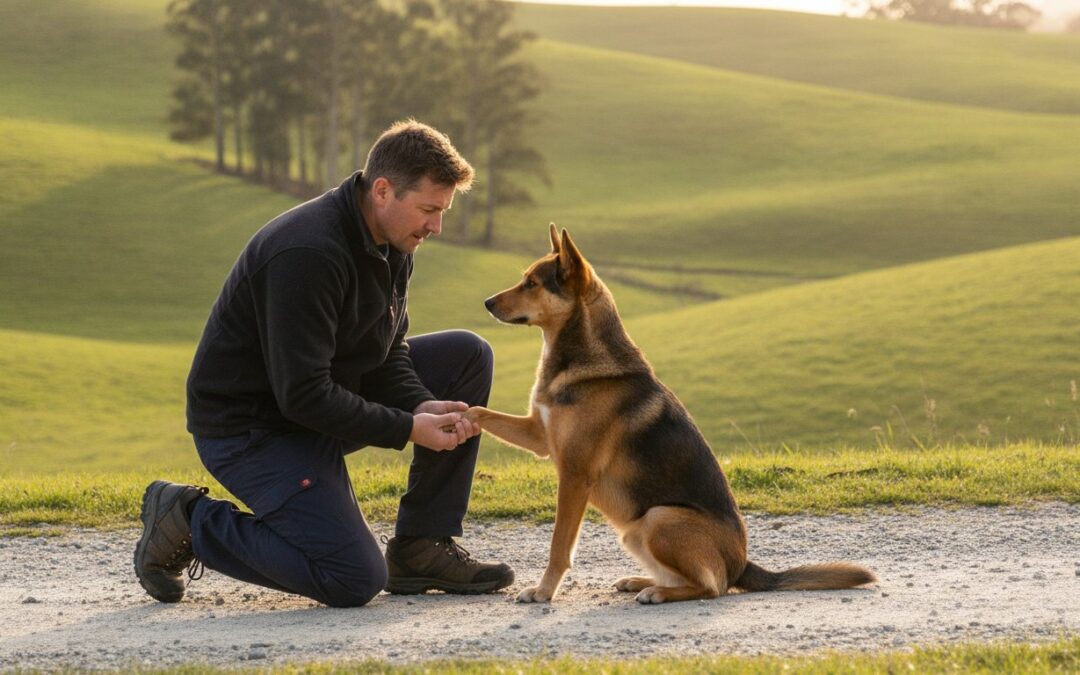
Imagine you’re enjoying a crisp morning walk through a local park in Warragul when your dog suddenly yelps, pulls up short, and refuses to put any weight on their back leg. Your heart sinks as you watch them hobble, and you’re immediately faced with a difficult question: is it just a minor twist, or something much worse? It’s a distressing moment that every Gippsland pet owner dreads, and the uncertainty can be truly overwhelming. You want to offer comfort, yet you’re likely worried about causing even more pain by touching the limb or stressed about the potential for emergency surgery.
We understand that your dog isn’t just a pet; they’re a cherished member of your family. Learning how to tell if a dog’s leg is broken or sprained is essential for providing the calm, professional care your companion deserves in an emergency. This guide will help you accurately identify the signs of a fracture versus a sprain, so you can act with confidence. We’ll also cover the safest ways to transport your dog to the vet and explain the next steps for treatment, ensuring you have a clear path forward to get those tails wagging again.
Key Takeaways
- Learn the ‘Three S’ rule of Sound, Swelling, and Symmetry to help you assess the severity of your dog’s injury at home.
- Discover how to tell if a dog’s leg is broken or sprained by identifying the specific lameness patterns that signal a serious fracture.
- Understand the ‘Muzzle First’ rule to keep both you and your mate safe while handling a painful or distressed animal.
- See why professional diagnostic imaging is essential for an accurate diagnosis, as feeling the limb simply isn’t enough to identify hidden damage.
- Explore the recovery path, from advanced orthopaedic surgery to long-term pain management, to get your companion back on their paws.
Initial Assessment: Identifying the Signs of Leg Pain
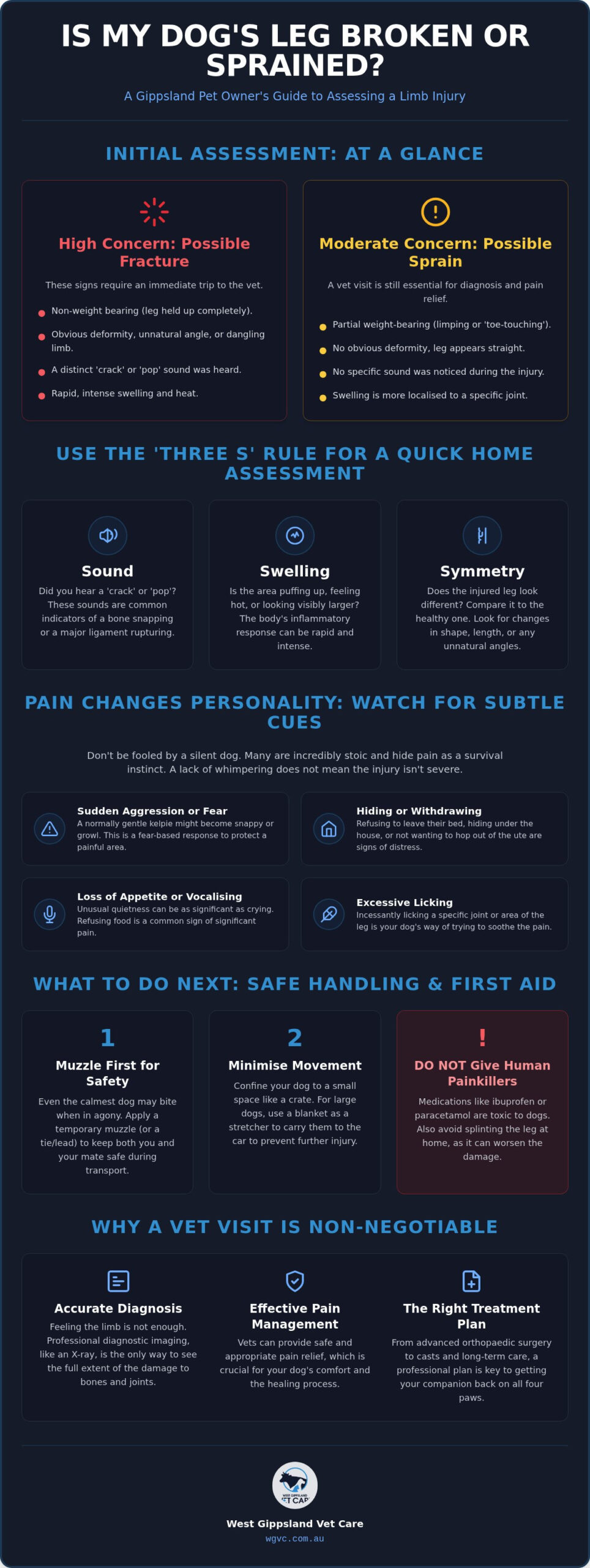
When your dog suddenly starts limping, your first instinct is to help. But before you reach out to touch the leg, take a moment to observe from a safe distance. Identifying the type of lameness is the first step in learning how to tell if a dog’s leg is broken or sprained. If your dog is ‘non-weight bearing’, meaning they’re holding the limb tucked up tight and won’t let it touch the ground at all, it often indicates a more serious injury like a fracture. Conversely, ‘partial weight-bearing’ where they gingerly ‘toe-touch’ or limp might suggest a soft tissue sprain, though this isn’t a definitive rule.
We often recommend the ‘Three S’ rule for a quick home assessment: Sound, Swelling, and Symmetry. Did you hear a distinct noise during the accident? Is the area puffing up or feeling hot? Does the injured leg look different in shape or length from the healthy one? In our local Gippsland environment, injuries often happen in unpredictable ways. A dog might step into a hidden paddock hole while chasing stock, have a run-in with farm machinery, or even suffer a snake bite. In some cases, the intense swelling from a bite can actually mimic the appearance of a broken bone.
Don’t be fooled by a silent dog. Many owners assume that if their mate isn’t howling, the injury isn’t severe. However, dogs are incredibly stoic. They often hide their pain as a survival instinct, so a lack of whimpering doesn’t mean the bone is intact. If they are refusing to move or seem unusually quiet, they’re likely in significant distress.
Visual and Auditory Cues
Listen for a ‘crack’ or ‘pop’ at the moment of impact. These sounds are common indicators of a bone snapping or a major ligament rupturing. Look for obvious deformities, such as the leg bending at an unnatural angle or appearing shorter than usual. If the limb looks ‘floppy’ or swings oddly when they try to move, it’s a clear sign that immediate professional care is needed. Many complex veterinary orthopedic surgeries begin with these exact observations from a concerned owner who noticed something just wasn’t right.
Behavioural Changes in Pained Dogs
Pain changes a dog’s personality. A normally gentle kelpie might become snappy or growl if you approach the injured area. This isn’t aggression; it’s a fear-based response to protect themselves. You might also notice them licking a specific joint incessantly or refusing to hop out of the ute. If your dog is hiding under the house or won’t leave their bed for dinner, their body is telling you that something is seriously wrong. Understanding these subtle shifts is key to knowing how to tell if a dog’s leg is broken or sprained before the situation worsens.
Broken vs Sprained: Differentiating Limb Injuries
Understanding the medical difference helps you communicate clearly with your vet when you are trying to figure out how to tell if a dog’s leg is broken or sprained. A fracture is a structural failure where the bone has partially or completely snapped. This is a significant trauma that requires immediate attention. A sprain, however, involves the soft tissues, specifically the ligaments that tether bones together at a joint. While both cause immense discomfort, the biological response and the path to recovery differ. According to the AVMA on dog lameness, the severity of the limp often dictates the urgency of the clinical visit.
Fractures usually trigger a massive, rapid inflammatory response. You’ll likely see intense swelling within minutes and feel heat radiating from the site as the body attempts to stabilise the area. If you notice a ‘dangling’ limb, where the leg seems to have an extra, unnatural joint or hangs lifelessly, this almost always indicates a complete fracture. The bone can no longer support the weight of the muscles or provide a rigid structure, leading to that characteristic, distressing appearance that requires urgent stabilisation.
Key Differences at a Glance
- Fractures: Result in immediate, total refusal to use the limb. Deformity, rapid swelling, and heat are prominent indicators.
- Sprains: Your dog might still attempt to ‘toe-touch’ or gingerly use the leg. Swelling is typically localised to a specific joint, such as the hock or wrist.
For compound fractures where the bone has pierced the skin, the ‘Golden Hour’ represents the critical sixty-minute window for starting antibiotics and professional cleaning to prevent life-threatening bone infections.
Common Orthopaedic Injuries in Gippsland Dogs
In our region, we see a specific mix of injuries. Cruciate ligament tears are incredibly common in active dogs, especially those working on properties or jumping in and out of utes. While technically a ‘sprain’ of the knee, these often require surgical intervention to prevent long-term arthritis. We also frequently treat radius and ulna fractures in smaller breeds who may have taken a tumble from a porch or couch. Occasionally, what looks like a break is actually a luxation, where a joint like the hip or kneecap has popped entirely out of place, causing the leg to lock at an odd angle.
If you are struggling with how to tell if a dog’s leg is broken or sprained, it’s always safest to book an orthopaedic consultation to ensure your mate gets the right pain relief and a clear diagnosis.
Safe Handling and Immediate First Aid
When you’re trying to figure out how to tell if a dog’s leg is broken or sprained, your focus is naturally on your mate’s pain. However, your first priority must be your own safety. Even the gentlest family pet can snap or bite when they’re in agony. It’s an instinctive survival response, not a reflection of their temperament. We always recommend the ‘Muzzle First’ rule. If you don’t have a proper muzzle, a soft piece of gauze or a pair of stockings can be gently looped around the snout, provided your dog isn’t vomiting or struggling to breathe. This protects you and allows you to provide care without fear of a reflex bite.
Once you’re safe, focus on restricting their movement. Every time your dog tries to stand or adjust, they risk displacing a bone fragment or causing further soft tissue damage. For larger breeds like a heavy working dog or a Labrador, moving them is a two-person job. A makeshift stretcher is often the kindest way to get them from the paddock to the car. You can use a sturdy piece of plywood, a thick woollen blanket, or even a large beach towel to create a stable platform that supports their entire body weight and keeps the limb as still as possible.
Stabilising the Leg at Home
It’s a common misconception that you should splint the leg yourself. Please, never attempt this. Without professional sedation, trying to align a bone or wrap it tightly can cause excruciating pain and may lead to permanent nerve or vascular damage. Instead, use a ‘towel sling’ for support. Fold a large towel lengthwise and pass it under your dog’s belly just in front of their hind legs. This allows you to take the weight off the injured limb while they hobble to the vehicle. Cold compresses can help reduce swelling in a suspected sprain, but if your dog is distressed or the leg is obviously deformed, skip the ice and focus on getting to the clinic.
Safe Transport to the Vet
Lifting your dog into the back of a car or a ute requires a gentle, steady hand. Avoid lifting them by the middle, which can twist the spine and cause the injured leg to swing. Instead, place one arm behind their rear legs and the other around their chest, cradling them close to your body. Stability is key during the drive. Pack blankets or pillows around them to prevent shifting during turns or sudden stops. Before you leave, call our team at West Gippsland Vet Care. Letting us know you’re on your way helps us prepare the diagnostic suite for your arrival, ensuring your mate gets the quickest possible relief. Knowing how to tell if a dog’s leg is broken or sprained is just the start; your calm actions during transport make all the difference to their recovery.
Professional Diagnosis: Why Imaging is Non-Negotiable
While your home assessment is a vital first step, relying solely on a physical touch is often impossible when a dog is in distress. Even the most experienced hands cannot see through muscle and skin to determine the exact nature of an injury. Relying on “feeling” the limb is not only imprecise but can be deeply unfair to a dog already in significant pain. To truly understand how to tell if a dog’s leg is broken or sprained, professional diagnostic imaging is the only definitive answer. At West Gippsland Vet Care, we use a fear-free approach, incorporating gentle sedation and advanced pain management. This ensures your mate stays calm and comfortable while we perform the detailed checks necessary for an accurate diagnosis without the stress of being held down.
Our in-house laboratory also plays a crucial role, especially for trauma patients who may have been involved in a farm accident or a road incident. We don’t just look at the leg; we assess the whole animal. Rapid blood tests allow us to check for internal bleeding or organ stress, ensuring your dog is stable enough for any required treatment. This holistic view is part of our commitment to providing the highest quality care for the Gippsland community, ensuring we treat the patient, not just the injury.
What the Vet Looks For
Under sedation, our team can safely assess joint stability and range of motion without causing further distress. This is particularly important for identifying ‘greenstick’ fractures in puppies, where the bone bends and cracks rather than snapping cleanly. These are notoriously difficult to spot during a standard exam. We also look for secondary issues like nerve damage or soft tissue tears that might complicate recovery, ensuring nothing is missed during the initial trauma assessment.
Advanced Diagnostic Imaging in Warragul
Having high-resolution digital radiography right here in Warragul means we get answers in minutes. This speed is vital for emergency cases where every moment counts. These detailed images allow us to create a precise surgical plan, identifying exactly where pins or plates might be needed. For more complex cases, our Orthopaedic Vet Gippsland: Advanced Surgical Care team uses this data to restore function as quickly as possible. Knowing how to tell if a dog’s leg is broken or sprained is a collaborative effort between you and your vet, and we are here to provide the clarity you need. If you are worried about your dog’s mobility, please contact our clinic today for a professional assessment.
Orthopaedic Care and Recovery in West Gippsland
Once we have utilised digital imaging to establish how to tell if a dog’s leg is broken or sprained, we can begin the collaborative journey toward healing. The path forward depends entirely on the nature of the injury. For minor soft tissue sprains, conservative management is often the best course of action. This typically involves a combination of prescribed anti-inflammatories, strict rest, and a gradual return to exercise. However, when a bone is fractured or a ligament is completely torn, orthopaedic surgery is usually required to restore function. In these cases, we use surgical-grade plates, screws, or pins to provide the internal stabilisation the bone needs to knit back together safely.
Our commitment to your dog’s well-being extends far beyond the operating theatre. Effective pain management is a cornerstone of our care, ensuring your mate remains comfortable throughout the inflammatory phase of healing. We also place a heavy emphasis on long-term arthritis care. Any joint injury, whether it’s a break or a severe sprain, can increase the risk of joint wear later in life. By starting proactive joint support and weight management early, we can help ensure your companion stays active and happy for years to come.
Advanced Surgical Options
Modern veterinary techniques have transformed the outlook for injured dogs. Complex fracture repairs and joint stabilisations that once had a guarded prognosis are now routine procedures in our clinic. For our local breeders, maintaining the structural health of their animals is especially critical. Our experience as a Canine Reproduction Vet Victoria gives us a unique perspective on managing injuries in breeding stock, where future mobility and physical soundness are vital for their ongoing success and quality of life.
Managing Recovery at Home
The success of any orthopaedic procedure relies heavily on what happens after you leave the clinic. Strict crate rest is often the most challenging part for owners, but it’s absolutely essential. Preventing your dog from jumping, running, or even navigating slippery floors during the first few weeks is the only way to ensure the surgical repair stays intact. We’ll support you with a tailored rehabilitation plan, including gentle physiotherapy exercises you can perform in your own lounge room. These movements help maintain muscle tone and joint flexibility without risking the healing bone. While you’re at home, you’ll need to keep a close eye on the incision site and monitor for any sudden changes in how they carry the leg, as these can be early signs of hardware failure or infection. Knowing how to tell if a dog’s leg is broken or sprained was the first hurdle; your dedication during the recovery phase is what truly gets them back on their paws.
Getting Your Mate Back on Their Paws
Watching your dog struggle with an injury is incredibly stressful, but being informed allows you to act with clarity and compassion. By observing their movement and using the ‘Three S’ rule, you’ve already taken the first step in learning how to tell if a dog’s leg is broken or sprained. Remember that while your home assessment is vital, professional imaging is the only way to rule out hidden fractures and start the right treatment plan. This ensures your companion doesn’t suffer unnecessary discomfort and receives the specific care they need to heal correctly.
If your dog is in pain, don’t wait. Contact West Gippsland Vet Care immediately for expert assessment and emergency support. Our compassionate, fear-free team provides advanced in-house orthopaedic surgery and 24-hour emergency care for our existing clients. We’re here to support you and your companion through every stage of their recovery, from the initial diagnostic X-ray to long-term rehabilitation. Your quick action today means your mate will be back enjoying the Gippsland sunshine before you know it.
Frequently Asked Questions
How can I tell if my dog’s leg is broken without an X-ray?
While only an X-ray provides a definitive answer, you can look for clear indicators like a limb hanging at an unnatural angle or a bone piercing the skin. If your dog refuses to put any weight on the leg and you notice rapid swelling or a “crack” sound at the time of injury, a fracture is highly likely. Learning how to tell if a dog’s leg is broken or sprained involves checking for these severe deformities versus the localised joint swelling typical of a sprain.
What should I do if my dog is limping but still eating and wagging its tail?
Dogs are remarkably stoic and will often continue to eat or wag their tails despite significant discomfort. A limp always indicates pain, even if they aren’t whimpering or crying out. You should restrict their activity immediately to prevent further damage and book a consultation with our team. Early intervention for a minor limp can prevent a small soft tissue injury from becoming a chronic problem like arthritis, ensuring your mate stays active on your Gippsland property.
Can a dog’s broken leg heal on its own without surgery?
A broken leg will technically “knit” back together over time, but without professional stabilisation, it rarely heals correctly. This often results in a “malunion,” where the bone is crooked or the wrong length, leading to lifelong lameness and debilitating arthritis. Most fractures require surgical plates or screws to ensure the bone aligns perfectly for weight-bearing. Professional orthopaedic care is the only way to guarantee your dog regains full, pain-free mobility and a high quality of life.
How much does it cost to fix a broken dog leg in Australia?
The cost of repairing a fracture varies significantly based on the complexity of the break and the size of the dog. In Australia, a simple limb fracture repair can start around $2,500, while complex surgeries involving plates and specialist equipment can exceed $4,000 or $4,500. These figures generally include the surgery and anaesthesia but may not cover follow-up X-rays or rehabilitation. Many Gippsland owners find pet insurance or payment plans helpful for managing these unexpected emergency expenses.
Is a sprain more painful for a dog than a break?
Pain is subjective, but both injuries cause significant distress for your pet. An acute bone break typically causes intense, sharp pain immediately, while a severe sprain or ligament tear can result in a throbbing, persistent ache that worsens with movement. In some cases, a complete ligament rupture, such as a cruciate tear, can be just as debilitating as a fracture. Regardless of the injury type, providing professional pain management is essential for your dog’s comfort and emotional well-being.
What are the signs of a snake bite mimicking a leg injury in Gippsland?
In regions like Warragul and Drouin, snake bites from Tiger or Brown snakes can cause sudden lameness that looks like a leg injury. Look for rapid, intense swelling, bruising, or a “puffy” appearance around the limb. Unlike a simple break, a snake bite is often accompanied by systemic signs such as sudden weakness, vomiting, or dilated pupils. If you suspect a bite, this is a life-threatening emergency that requires immediate veterinary intervention at our clinic.
How do I know if my dog needs an emergency vet visit right now?
You should seek emergency care if your dog is non-weight bearing, has an obvious limb deformity, or if there is an open wound with bone visible. Other red flags include extreme distress, pale gums, or if the injury was caused by high-impact trauma like a car accident. For our existing clients in the West Gippsland region, we provide 24-hour emergency support to ensure your mate gets expert care exactly when they need it most.
Can I give my dog human pain relief like Nurofen for a leg injury?
No, you must never give your dog human medications like Nurofen, Aspirin, or Paracetamol. These drugs are toxic to dogs and can cause life-threatening complications, including severe stomach ulcers, liver damage, or kidney failure. When we assist you with how to tell if a dog’s leg is broken or sprained, we will prescribe safe, dog-specific anti-inflammatories. These medications are specifically formulated to manage their pain effectively without the dangerous side effects associated with human pills.