
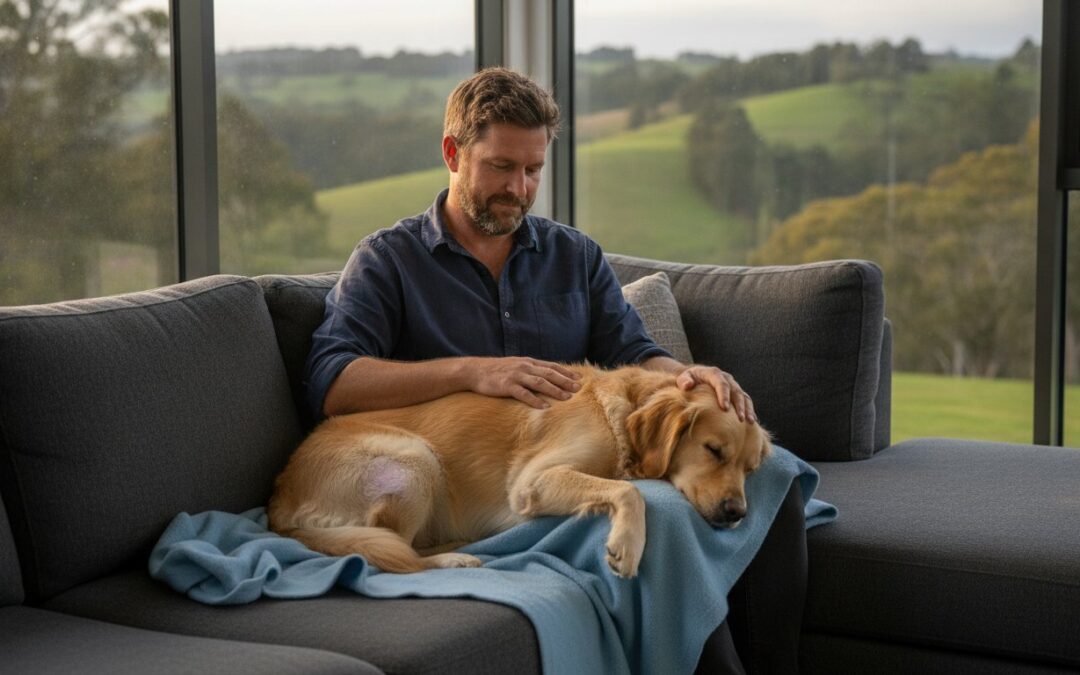
You’ve already been through the long nights of crate rest and the careful walks, hoping your mate’s initial operation would be the final fix for their cruciate injury. Seeing them limp again or struggle to get up is heartbreaking, especially when you thought the hard part was over. It’s completely natural to feel a sense of frustration or worry about the financial strain of another procedure. Understanding the cost to fix a failed TPLO surgery Australia is a vital first step in making an informed choice for your dog’s future comfort and mobility.
We know how much you care about your companion, and we agree that facing a second surgery is an emotional and financial weight you didn’t expect to carry. Our goal is to provide you with the clarity you need to move forward with confidence. You’ll learn about the complexities involved in revision surgery, the specific factors that influence the total investment, and the advanced surgical options available to get your dog back to their happy, active self. We will walk you through why these procedures require extra care, what to expect from a specialist-led second opinion, and how we can work together to ensure a successful, lasting recovery this time.
Key Takeaways
- Learn why revision surgery is a specialised orthopaedic “rescue mission” that addresses scar tissue and complex bone healing rather than being a simple repeat of the first operation.
- Discover how advanced diagnostics like CT scans and digital X-rays are essential for precise planning, which influences the total cost to fix a failed TPLO surgery Australia.
- Understand the importance of surgical expertise, as revising a failed outcome requires a higher level of experience to navigate previous implants and potential infections.
- Find out how to check your pet insurance for “complication” coverage and why choosing local care in West Gippsland can reduce both travel costs and your dog’s stress.
- Get a clear roadmap for a successful second recovery by focusing on fear-free care and tailored post-operative support for your mate.
What Constitutes a Failed TPLO and Why Revision is Needed
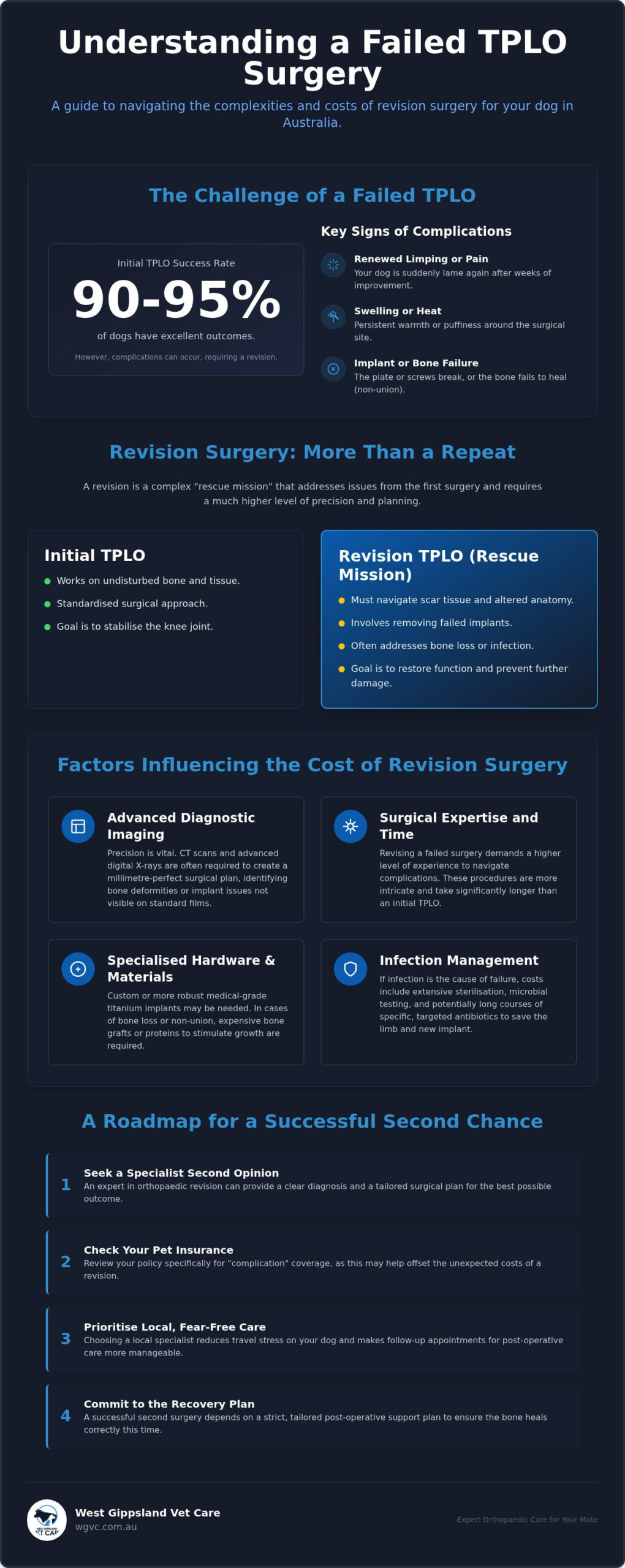
While 90-95% of dogs have excellent outcomes after a Tibial-plateau-leveling osteotomy (TPLO), sometimes things don’t go quite as planned. A failure occurs when the initial surgery doesn’t achieve its goal of stabilising the knee joint. This might involve the metal plate or screws breaking, a deep surgical site infection, or the bone refusing to knit back together, known as a non-union. It’s incredibly stressful to see your dog take two steps forward only to slide back into pain, but identifying these issues early is the best way to help them.
One common technical reason for failure involves the tibial plateau angle. If this angle isn’t corrected with absolute precision, the joint remains unstable, leading to ongoing wear. You might notice your mate is suddenly lame again after weeks of improvement, or you may see persistent swelling or heat around the plate. Ignoring these signs and taking a “wait and see” approach usually makes the situation more difficult. Delaying a revision often leads to severe, irreversible arthritis, which increases the long-term care needs and the eventual cost to fix a failed TPLO surgery Australia.
Common Causes of TPLO Complications in Dogs
Complications often stem from a mix of biological and mechanical issues. Biologically, some dogs have poor bone density or underlying health conditions that slow the healing process. Mechanically, if the plate isn’t positioned perfectly or if your dog gets a bit too active before the bone is ready, the hardware can fail under the pressure. Late-stage infections are also a major hurdle; they can settle around the metalwork, making it impossible for the bone to stay stable without specialist intervention to remove the compromised hardware and clear the site.
The Clinical Goal of Revision Surgery
The primary aim of a revision is to restore the joint’s function and stop the pain for good. This involves removing any damaged hardware and addressing any bone loss that occurred during the first attempt. TPLO revision is a corrective procedure to restore biomechanical function after a primary surgery fails. By restabilising the stifle joint, we prevent further damage to the meniscus and give your dog a genuine second chance at a pain-free life. Understanding these complexities helps clarify why the cost to fix a failed TPLO surgery Australia reflects the high level of precision and surgical time required for a successful rescue mission.
Factors Influencing the Cost to Fix a Failed TPLO in Australia
When you’re looking into the cost to fix a failed TPLO surgery Australia, it’s helpful to understand that this isn’t just a repeat of the first operation. A revision is a far more intricate “rescue mission” that requires a bespoke plan for your dog’s specific needs. Because we’re often dealing with scar tissue, previously placed hardware, or bone that hasn’t healed as expected, the resources required are significantly higher. This complexity is why clinical reviews regarding Complications of tibial plateau levelling osteotomy emphasise the need for meticulous planning and specialised care during follow-up procedures.
Diagnostic Imaging and Pre-Surgical Planning
Precision is our priority when preparing for a second surgery. We can’t rely on standard assessments; instead, we often use advanced digital X-rays or referrals for CT scans to map out bone deformities and plate issues with millimetre accuracy. These diagnostics ensure there are no surprises once the procedure begins. We also perform comprehensive pre-anaesthetic blood panels to verify that your mate is healthy enough for another round of anaesthesia. While these steps add to the initial investment, they are non-negotiable for a safe and successful outcome.
Hardware and Material Costs
Revision surgery frequently requires specialised medical-grade titanium implants, which are designed to provide maximum stability in compromised bone. If the bone hasn’t knitted together properly, we may need to use bone grafts or bone morphogenetic proteins to stimulate new growth. Additionally, if an infection was the culprit behind the first failure, the cost will include high-level sterilisation protocols and potentially long-term courses of specific antibiotics to ensure the new hardware stays secure. If you’re feeling overwhelmed by these details, a consultation with our orthopaedic team can help clarify exactly what your pet needs.
The sheer surgical time involved plays a major role in the final investment. Removing old screws, clearing out scar tissue, and precisely repositioning a new plate takes much longer than a primary TPLO. This extra time in theatre requires more anaesthetic monitoring and a larger surgical team to ensure everything goes perfectly. Following the operation, your dog will also need more intensive post-operative care and potentially several sessions of physiotherapy to rebuild the muscle that may have wasted away during their period of lameness. We’re here to help you navigate these steps so your companion can finally get back on their feet.
Revision Costs vs. Initial TPLO: Why the Price Tag Differs
When you first booked your dog in for surgery, it was likely described as a standard procedure with a predictable path to recovery. However, when we talk about the cost to fix a failed TPLO surgery Australia, the conversation shifts from a routine fix to a highly specialised rescue mission. The primary difference lies in the environment the surgeon is entering. A first-time surgery offers a “clean slate” where the anatomy is undisturbed and the bone is healthy. In contrast, a revision involves navigating dense scar tissue and bone that may have been compromised by previous implants or infection. This complexity often leads to extended hospitalisation needs, as your dog will require more intensive monitoring and pain management during those critical first 48 hours of recovery.
Surgeons must also carefully remove the existing hardware before they can even begin the new repair. This is a delicate and time-consuming step; bone often grows over the plate and screws, requiring specialised tools and a very steady hand to avoid further fractures. Research into TPLO complication rates shows that while these issues are relatively rare, they require a significantly higher level of technical expertise to resolve safely. Because the procedure takes longer and the risks are higher, the level of surgical experience required is a major factor in the final investment.
The Complexity Premium in Orthopaedics
Revision surgery typically carries a higher price point due to the increased risk and technical difficulty involved. Unlike the first operation, the surgeon must be prepared for unexpected findings once the joint is opened, such as hidden bone loss or internal damage that wasn’t visible on X-rays. We often need to have “rescue” plates on standby, which are more robust and expensive than standard TPLO hardware. Every extra minute in the theatre requires careful anaesthetic monitoring and a dedicated team, ensuring your mate has the best possible chance of a successful outcome.
Long-term Savings Through Expert Fixes
It is understandable to feel hesitant about another large expense, but getting the repair right the second time is an investment in your dog’s lifelong comfort. A successful revision prevents the need for high-dose chronic pain medications and the potential for permanent lameness. When you compare the cost to fix a failed TPLO surgery Australia to the much higher price of a total knee replacement, which can be the only remaining option if a joint is left to deteriorate, the value of a specialist-led fix becomes clear. By restoring mobility now, you are saving your mate from a lifetime of restricted activity and saving yourself from the ongoing financial burden of managing severe arthritis.
Financial Support and Planning for Your Pet’s Second Chance
Facing an unexpected second operation is a significant financial hurdle for any family. While the cost to fix a failed TPLO surgery Australia can be higher than the first procedure, there are several ways to manage the investment while ensuring your dog receives high-quality care. Planning ahead and knowing which support systems are available can help ease the burden, allowing you to focus on your mate’s recovery rather than just the invoice. We believe that financial constraints shouldn’t stand in the way of a dog’s ability to walk without pain.
Maximising Your Insurance Claim
If you have pet insurance, the first step is to review your policy for terms like “complication coverage” or “revision surgery.” Most comprehensive plans cover these events if the initial surgery was also a covered claim. It’s vital to provide your insurer with a detailed medical report that clearly explains why the revision is a medical necessity. If you’ve recently switched providers, be mindful of “pre-existing condition” clauses, as a revision of the first leg might be excluded. We can help by providing the thorough clinical evidence and imaging reports your insurer needs to process your claim smoothly.
The Benefit of Local Specialist-Level Care
Choosing an advanced clinic in Warragul often means avoiding the “Melbourne premium” associated with large inner-city specialist centres. Beyond the surgical fee itself, the hidden costs of travelling to the city add up quickly. Think about the fuel, the time off work for multiple follow-up appointments, and the added stress on a dog who needs to remain as still as possible while recovering. By staying in West Gippsland, you benefit from a team that is part of your local community, making that 12-week recovery journey much more manageable for both you and your pet.
To help bridge the gap, we offer several flexible payment options to make the cost to fix a failed TPLO surgery Australia more manageable. Platforms like Zip or VetPay allow you to spread the investment over time, making the upfront expense less daunting. We also support GapOnly, which is a fantastic service that reviews your insurance claim while you’re still at the clinic. This means you only pay the “gap” between the total bill and your insurance benefit at the time of discharge, significantly reducing your immediate out-of-pocket costs. If you’re worried about the financial side of things, please contact our friendly team to discuss our payment options and how we can support you through this process.
Expert Orthopaedic Revision at West Gippsland Vet Care
We understand that the road to recovery hasn’t been easy. Seeing your mate in pain after you’ve already invested so much heart and soul into their first surgery is exhausting. At West Gippsland Vet Care, we’re dedicated to helping you find a way forward with a focus on orthopaedic excellence and restoring your dog’s quality of life. While the cost to fix a failed TPLO surgery Australia is a serious consideration, our goal is to ensure that this second attempt is the definitive one. We use advanced in-house diagnostics to create a precise surgical plan, leaving nothing to chance when it comes to your companion’s mobility.
A second surgery can be a scary prospect for any pet. That’s why we embrace a “Fear-Free” philosophy across our entire practice. This approach focuses on reducing the anxiety and stress your dog might feel during their stay, using gentle handling and a calming environment. When your mate feels safe, their body can focus entirely on healing. We provide comprehensive post-operative support for our Gippsland families, ensuring you have a clear roadmap for the weeks of recovery ahead.
Why Gippsland Owners Trust Us for Complex Cases
As an independent, locally owned practice, we don’t view you or your dog as just another number on a surgical list. We treat every patient like a member of our own family. Owners across the region trust us because of our proven track record with advanced procedures as an orthopaedic vet gippsland residents can rely on. You won’t be passed around between different departments; instead, you’ll have direct access to our surgical team to answer your post-op questions and provide reassurance whenever you need it.
Choosing a local team in Warragul also means you avoid the logistical nightmare of city traffic with a recovering pet. We provide the same high level of surgical expertise you’d find in Melbourne, but with the personal touch and accessibility of a community-focused clinic. This relationship-first approach helps us manage the complexities and the cost to fix a failed TPLO surgery Australia by providing efficient, coordinated care all under one roof.
Taking the First Step Toward Recovery
The first step is often the hardest, but we’re here to make it as smooth as possible. We recommend booking a second-opinion consultation so we can thoroughly assess the reasons for the initial failure. During this appointment, we’ll sit down with you to discuss your dog’s history and perform a physical assessment. To help us build the most accurate picture, please bring along any previous X-rays, blood results, and surgical reports from the first operation. Knowledge is power, and having these details allows us to tailor a revision plan that specifically addresses your dog’s unique needs. Contact the West Gippsland Vet Care team today to discuss a tailored plan for your dog and start the journey toward getting them back on their feet.
Restoring Your Mate’s Mobility and Peace of Mind
Navigating the path to a second surgery is undoubtedly challenging, but you don’t have to do it alone. We’ve explored how revision surgery differs from the initial procedure, requiring advanced diagnostics and a higher level of technical expertise to address scar tissue or hardware issues. While the cost to fix a failed TPLO surgery Australia reflects this complexity, choosing a local specialist-level team in Warragul ensures your dog receives the highest standard of care without the added stress of city travel. By utilising tools like GapOnly and flexible payment plans, you can focus on what truly matters: your dog’s recovery.
Our compassionate, local team has been serving West Gippsland for decades, and we’re here to support you with an advanced orthopaedic surgical suite and 24-hour emergency care for our surgical patients. We’re committed to helping your mate get back to their happy, active self. To take the first step toward a successful recovery, we invite you to Book an Orthopaedic Consultation at West Gippsland Vet Care today. Your dog’s second chance at a pain-free life is within reach, and we’re ready to help you navigate this journey with kindness and expertise.
Frequently Asked Questions
Is a second TPLO surgery more risky than the first?
Revision surgery is technically more demanding than the initial procedure because the surgeon must navigate scar tissue and previously placed implants. The bone may also be slightly weakened from the first attempt. While the risks are higher, careful planning with advanced imaging and a specialist-led approach helps manage these complexities. Our team focuses on safety and precision to ensure your mate has the best chance for a successful outcome this time.
How much does a TPLO revision cost compared to the original surgery in Australia?
The cost to fix a failed TPLO surgery Australia is typically higher than the primary operation. This is because the procedure takes longer and requires more specialised equipment, such as rescue plates or bone grafting materials. Every case is unique, so the total investment reflects the specific surgical time and advanced diagnostics needed to correct the failure and restore your dog’s mobility safely and permanently.
Will my pet insurance cover a failed TPLO surgery?
Most comprehensive pet insurance policies cover revision surgery if the initial TPLO was a covered claim. It’s important to check your policy for “complication” or “revision” clauses to understand your specific benefits. We recommend contacting your provider early to confirm their requirements. We can assist by providing detailed clinical reports and imaging to show the medical necessity of the procedure, helping you navigate the claims process with confidence.
Can a failed TPLO be managed without more surgery?
While minor issues might be managed with rest and medication, a true mechanical failure or deep infection usually requires surgical intervention. Managing a failed TPLO without surgery often leads to severe, painful arthritis and permanent lameness for your dog. Our priority is your dog’s long-term comfort; we’ll assess whether a revision is the only way to stabilise the joint and prevent further damage to the meniscus and surrounding tissues.
How long is the recovery time for a revision TPLO surgery?
Recovery for a revision surgery follows a similar timeline to the first, usually taking 8 to 12 weeks for the bone to heal. However, the process might be more conservative to protect the new repair. We’ll provide a tailored rehabilitation plan, including controlled walks and potentially physiotherapy. Staying local in Gippsland makes these frequent follow-up checks much easier for you and significantly less stressful for your recovering mate.
What are the signs that my dog’s TPLO plate has failed?
You might notice your dog suddenly stops using the leg after a period of improvement or starts limping again. Other signs include heat, redness, or swelling around the surgical site, which could indicate infection or hardware issues. Some owners also report a “clicking” sound when the dog walks. If you notice any of these changes, it’s vital to seek a professional assessment immediately to prevent the situation from worsening.
Why should I choose a local Gippsland vet for orthopaedic revision?
Choosing a local clinic in Warragul saves you from the “Melbourne premium” and the exhaustion of city travel with a sore dog. We offer advanced orthopaedic capabilities right here in Gippsland, meaning you get specialist-level care within your own community. This local connection allows for better communication and easier access to our team throughout the entire recovery journey, ensuring we treat you and your pet like family.
Can infection cause a TPLO to fail, and how is that treated?
Infection is a known cause of failure, as bacteria can create a “biofilm” on the metal implants that antibiotics alone can’t always reach. Treatment often involves a surgical “washout,” long-term targeted antibiotics, or even removing the hardware once the bone has healed. We use our in-house laboratory to identify the specific bacteria involved, ensuring the treatment plan is precisely targeted to clear the infection and protect the joint’s stability.