
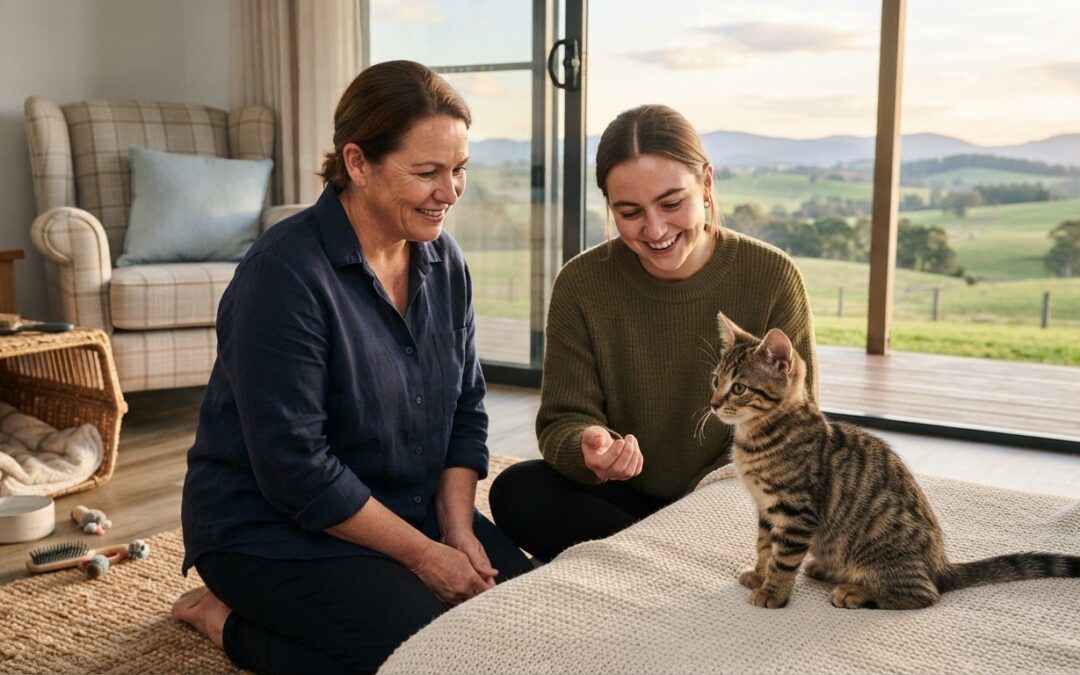
If you’re looking for a kitten adoption centre near Bunyip, these fees offer a useful local guide to council adoption costs.
Choosing to adopt is a lovely step, and it’s natural to want to understand the costs and options before welcoming a cat home. This guide explains the adoption routes to explore around Bunyip, what council adoption fees cover, and how age affects the fee. It also looks at pound and foster-based pathways, so you can compare the practical differences and think about the kind of support that will help you and your new companion settle in. With a clearer picture of the process, you can make your next steps with care and confidence.
Key Takeaways
- Compare council-pound and rescue pathways to find an adoption process that suits your household and the kind of support you’re looking for.
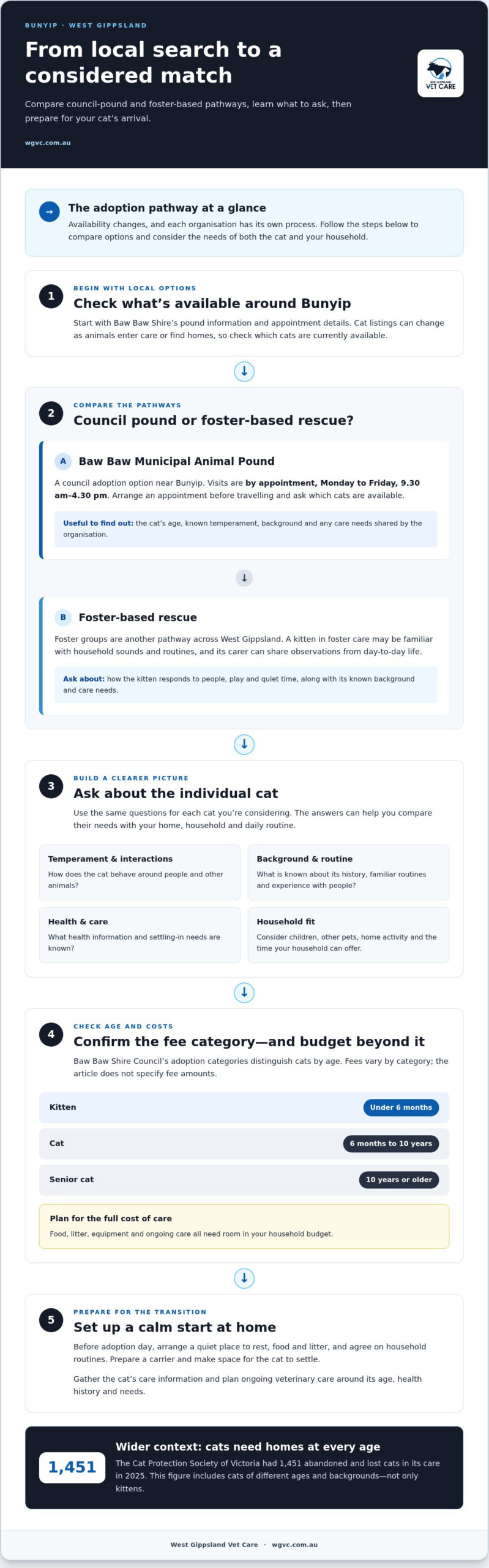
- The Baw Baw Municipal Animal Pound is open by appointment from Monday to Friday, 9.30am to 4:30pm, so plan your visit around its appointment hours.
- Before bringing a kitten home, ask about its health assessment, behaviour, age and background so you can prepare for its needs.
- Foster-based rescues offer another route to adoption, with carers able to share what a kitten is like in a home environment.
- After adoption, gather the kitten’s care records and plan ongoing veterinary care around its age, health history and needs.
Cat adoption
For people around Bunyip, Baw Baw Shire Council is one local route to cat adoption. Check which age category applies when comparing adoption options.
Adoption is about more than choosing a friendly face. Ask about the cat’s temperament, daily routine and experience with people. A quiet adult cat, for example, may suit a calm home, while an energetic kitten may need plenty of play and supervision. Consider who lives in your household and how much time they can offer. These details help you judge whether a particular cat could suit your home.
Use a few practical questions to guide your conversation before deciding:
- How does the cat behave around people and other animals?
- What is known about its background and usual routine?
- Which age category applies to the adoption fee?
- What care or settling-in needs should your household plan for?
Ask what is known about the individual cat and its history, including familiar routines and interactions. If you have children or other pets, mention this when discussing a possible match. For example, a cat used to a quiet environment may need time and a separate space to adjust to a busier home.
Adoption fees vary by age. Baw Baw Shire Council’s categories distinguish kittens under six months, cats aged 6 months to 10 years, and senior cats aged 10 years or older. The fee is only one part of welcoming a cat. Food, litter, equipment and ongoing care also need room in your household budget. Planning for these responsibilities can help make the decision more considered.
The need for safe, lasting homes is clear. The Cat Protection Society of Victoria had 1,451 abandoned and lost cats in its care in 2025. That figure includes cats of different ages and backgrounds, not only kittens. A kitten adoption centre near Bunyip may be one option, but an adult cat could also become a much-loved friend. Consider the individual animal, your household and the care you can provide.
Once you’ve identified a potential match, prepare for its arrival. Set up a quiet place to rest, arrange food and litter, and agree on household routines before adoption day. If you’re considering more than one cat, note each animal’s age, temperament and needs. Comparing your notes can help you choose thoughtfully for both your home and your future companion.
Which animal shelters and rescue groups serve Bunyip and West Gippsland?
For a council adoption option near Bunyip, consider the Baw Baw Municipal Animal Pound. It is open by appointment from Monday to Friday, 9.30am to 4:30pm. Plan your visit around those hours and arrange the appointment before travelling. This gives you time to ask about cats available for adoption and understand the next steps.
Animal listings change as cats find homes or enter care. Start with Baw Baw Shire’s pound information, then ask which cats are currently available. If a particular cat interests you, note its age and any details shared about its temperament. This helps you compare possible matches with your household’s routine and experience.
Foster-based rescue groups are another adoption pathway across West Gippsland. A kitten living with a foster carer may already be familiar with household sounds and routines. Ask what the carer has observed, including how the kitten responds to people, play and quiet time. This context can help you prepare your home.
As you explore options around Bunyip, consider what kind of adoption experience suits you. A council pound and a foster-based rescue may have different information about each animal. Ask about the cat’s known background, care needs and adoption steps. Clear answers help you prepare for a smooth transition.
Use this simple search plan to compare local pathways:
- Start with Baw Baw Shire’s animal pound information and appointment details.
- Look for foster-based cat rescues serving West Gippsland.
- Compare each cat’s known background, temperament and care needs.
- Write down each organisation’s adoption steps and relevant questions.
Before meeting a cat, prepare a short list of questions. Ask what health and routine information will be provided, and what happens after you express interest. Keep notes if you’re considering more than one animal. Recording each cat’s needs and personality can help your household discuss the choice together.
Timing matters when planning a pound visit. The Baw Baw Municipal Animal Pound’s appointment hours are on weekdays, so consider how travel and work commitments fit. If those hours don’t suit, a foster-based pathway may offer another way to learn about cats in care. Follow the process set by the organisation you choose.
Once you’ve found a potential match, organise the practical details before bringing the cat home. Prepare a carrier, food and a quiet room where it can settle. For the veterinary-care part of your adoption planning, local veterinary care can help you think ahead about your new companion’s ongoing needs.
What are the eligibility requirements and adoption rules for adopting a kitten in Victoria?
Adopting a kitten involves more than choosing an animal. In Victoria, the practical steps depend on the organisation arranging the adoption. Be ready to explain your household, daily routine and plans for ongoing care. This helps match a kitten’s needs with the home you can offer.
Before applying, consider who will share responsibility. For example, decide which adult will organise feeding, cleaning and veterinary visits through a trusted provider like West Gippsland Vet Care. If children live at home, plan how they’ll interact gently with an unfamiliar kitten. If you rent, check your tenancy arrangements before committing. These preparations help you give clear, consistent answers during an adoption discussion.
Rescue groups and council services may have different application processes. One may invite you to meet a kitten first; another may discuss your household before arranging a meeting. Follow the organisation’s steps, and provide accurate information about other pets, work hours and home routines. A kitten used to quiet surroundings may need a different introduction from one familiar with busy family life.
Prepare a short list of questions before you apply:
- What is known about the kitten’s age, health and behaviour?
- How does the adoption organisation arrange meetings and decisions?
- What care records or background details will accompany the kitten?
- What should your household prepare before the kitten arrives?
Local council registration is another practical consideration. When you adopt a pet through a kitten adoption centre near Bunyip, you must register that pet with your local council, such as the Cardinia Shire Council. Local authorities manage pet registrations and ensure your new companion complies with regional domestic animal management plans. If you adopt through a council pound or rescue service, include this registration step in your plans.
Keep your adoption details together. Save the organisation’s instructions, the kitten’s records and information about its established routine. For example, knowing which food the kitten already eats can help you plan its first days. Clear notes also help everyone in the household follow the same settling-in approach.
Eligibility is about whether your home can meet the kitten’s needs, not just completing paperwork. Think through likely changes, such as moving house or a shift in work hours, and identify who will care for the kitten during those changes. If you have another pet, plan a gradual introduction and a separate quiet space. A considered plan supports a smoother transition for both animals.
Before accepting an adoption, make sure you understand the organisation’s process and the care information provided. Ask for explanations of unfamiliar terms, and take time to discuss the decision with everyone responsible. Agreeing on care, routines and council responsibilities gives your new kitten a more settled start.
What should I check about a kitten’s health, age and background before adopting?
Start with the kitten’s age and the information supporting it. Ask how its age was estimated and whether a date of birth is recorded. Age helps you understand likely routines and care needs. If the kitten’s history is incomplete, ask what the carer or rescue group knows. Keep known details separate from assumptions.
Next, ask for the kitten’s health records. Look for notes about veterinary checks, vaccinations, parasite treatments and any ongoing care. Ask what has been completed and what is planned next. If the kitten has received treatment, find out what it was for. Clear records help you share relevant information with the veterinary team responsible for its future care.
During a meeting, observe the kitten without expecting a brief visit to reveal everything. Notice how it moves, responds to people and settles after activity. A kitten that hides at first, for example, may need a quieter introduction. Ask the carer what behaviour is typical at home rather than drawing conclusions from one moment.
Use these questions to guide the conversation:
- What is known about the kitten’s age and early background?
- Which health checks, vaccinations or treatments are recorded?
- Does the kitten take medication or need follow-up care?
- How does it respond to handling, visitors and household sounds?
- What food and daily routine is it used to?
A kitten’s background can affect how comfortable it feels in a new home. Ask whether it was raised with other cats, handled by people or cared for in a foster home. If it came from a litter, ask what is known about its mother and siblings. The answers may be partial, but they can still guide your settling-in plan.
Compare the kitten’s needs with your household before deciding. A lively kitten may need daily play, while a shy one may benefit from a calm room and gradual introductions. If you have other pets, ask how to manage introductions. Prepare a separate space, food bowls and a litter tray before the kitten arrives.
Write down unanswered health questions and discuss them with a veterinarian before or soon after adoption. Bring the kitten’s records, including treatment dates and any symptoms the carer has described. A veterinary examination can help assess its current health and identify care needs. Keep the records together so future appointments have a useful history.
Finally, confirm which details will come with the kitten. Keep its adoption paperwork, health notes and routine information in one place. Recording its current food and usual feeding pattern, for example, can make the first days easier to organise. A clear handover helps you care for your new companion with confidence.
Are there alternatives to shelters, such as foster-based kitten rescues near Bunyip
Yes. Foster-based rescues are another adoption pathway for people around Bunyip. Instead of meeting a kitten in a shelter, you may meet one living in a carer’s home. This can be a chance to discuss its familiar routine and how it responds to everyday household activity.
The Cat Protection Society of Victoria’s foster program cared for 731 cats in 2025. This shows the important role foster care can play in helping cats move towards adoption. Foster carers may get to know an individual cat’s preferences, such as whether it enjoys company or needs a quiet place to settle. Ask what the carer has observed directly.
Foster care can offer practical insight into a kitten’s behaviour at home. Ask how it responds to visitors, household sounds and handling, as well as what it eats and where it usually rests. These details can help you prepare your home and introduce the kitten to its new surroundings.
Before proceeding, ask the rescue group how its process works. Useful questions include:
- Where will you meet the kitten, and who will discuss its needs?
- What health and background records can accompany the adoption?
- How does the group assess a suitable home for this kitten?
- What routines should you keep consistent after bringing it home?
A kitten in foster care may not suit every household. One accustomed to a quiet home may need time to adjust to a busy family, while a confident kitten may still need gradual introductions to resident pets. Use the carer’s observations to plan a calm first room, a familiar feeding routine and introductions at the kitten’s pace.
Compare a foster pathway with a council pound by considering the information each can offer. A pound may provide details from its assessment process, while a foster carer may describe the kitten’s behaviour in a home setting. In either case, focus on the individual cat’s known history and care needs, not age or appearance alone.
To find foster-based options serving Bunyip, search for cat rescue groups working across West Gippsland. Read their adoption steps and prepare questions before speaking with a carer. Keep notes if you’re considering more than one kitten. Recording each animal’s routine, personality and care information makes it easier to discuss the decision with your household.
Once you’ve chosen a kitten, organise its homecoming around familiar comforts. Set up a quiet room, keep its usual food available and give it time to explore. For help planning the kitten’s veterinary care, get in touch with a local veterinary team.
West Gippsland Vet Care: Pet Vaccinations
West Gippsland Vet Care can support you with pet vaccinations after adopting a kitten. Bring the kitten’s health records to discuss its care history and vaccination needs. This is especially useful when the paperwork shows previous vaccinations or treatments, as those details help guide the conversation.
You can also discuss desexing procedures and microchipping as part of planning your kitten’s ongoing care. Consider each step alongside the kitten’s age, health information and home routine. Keeping adoption records together makes it easier to share relevant details during veterinary visits.
For a calm, informed start with your new companion, contact West Gippsland Vet Care or visit wgvc.com.au.
Give your new cat a confident start
Choosing a kitten is the beginning of a relationship, not just an adoption-day decision. As you prepare your home, set aside the kitten’s records and note any questions about its care. A calm plan helps you establish familiar routines and notice what your new companion needs while settling in.
If you’re comparing options at a kitten adoption centre near Bunyip, think beyond the first visit. Consider how you’ll organise ongoing care as your kitten grows. West Gippsland Vet Care offers pet vaccinations, desexing procedures and microchipping, which can form part of those conversations. The kitten’s history and individual needs will help shape the next steps.
When you’re ready to discuss your kitten’s care, contact West Gippsland Vet Care. A thoughtful start can help your new friend feel at home, one gentle step at a time.
Frequently Asked Questions
Looking to adopt a cat?
Yes, you can explore council, rescue and foster-based adoption pathways around Bunyip. Start by deciding whether a kitten or adult cat better suits your household routine. Consider how much time you can give to play, settling in and daily care. Then compare individual cats’ temperaments and backgrounds, and involve everyone who’ll share responsibility before choosing.
What kitten adoption centres are near Bunyip, Victoria?
Options include the Baw Baw Municipal Animal Pound and West Gippsland Vet Care, which offers kitten adoption. Foster-based rescue groups are another way to meet cats cared for in a home setting. The right starting point depends on whether you’d like to meet a kitten through a pound, a foster carer or a veterinary practice. Focus on the adoption process and the individual kitten’s needs.
What is included in a kitten adoption fee, such as desexing, microchipping and vaccinations?
An adoption fee alone doesn’t show whether desexing, microchipping and vaccinations are included. Inclusions can differ between adoption pathways and individual kittens. Review the kitten’s records to distinguish completed care from future needs, and note which treatments or procedures are documented. West Gippsland Vet Care offers pet vaccinations, desexing procedures and microchipping as part of your kitten’s ongoing veterinary care.
Are kittens currently available for adoption near Bunyip?
Listings change as cats enter care or find homes. Contact the Baw Baw Municipal Animal Pound to ask which cats are currently available; visits are by appointment.