
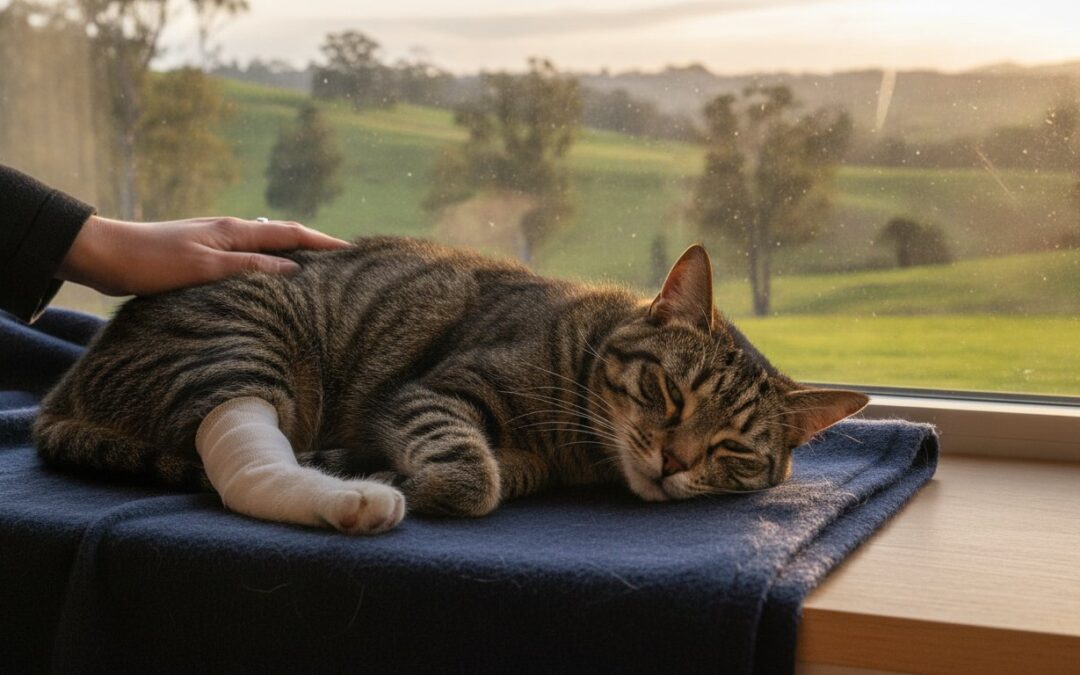
Imagine the sudden panic when your adventurous tabby returns home limping or unable to put weight on a leg after a mishap in the garden. It’s a moment every pet owner dreads, and finding a cat fracture repair specialist Yarragon families can trust becomes an immediate priority. You might assume that expert orthopaedic surgery requires a long, exhausting trip into Melbourne; however, for many local residents, the best path to recovery is much closer to home.
We understand that seeing your cat in distress is incredibly difficult, and the added pressure of navigating city traffic or facing financial uncertainty only makes things harder. You want a solution that prioritises your cat’s comfort while offering the highest standard of medical skill. This article explores how we manage complex feline fractures to ensure successful bone healing and minimal long-term lameness. We will also look at the benefits of a personalised, fear-free approach that keeps your pet calm and supported throughout their journey back to health, ensuring they receive the expert care they deserve without the stress of a city commute.
Key Takeaways
- Learn how to recognise the subtle signs of a feline fracture and the safest ways to handle your cat to prevent further pain or injury.
- Understand why a cat’s unique bone biology requires the expertise of a cat fracture repair specialist Yarragon owners can rely on for precise orthopaedic results.
- Discover the benefits of advanced surgical techniques, such as internal fixation, which provide the stability needed for successful bone healing and long-term mobility.
- See how local specialist-level care in West Gippsland removes the stress of a long city commute, allowing your cat to recover in a familiar, calm environment.
- Gain practical advice for the recovery journey, from managing the critical first 48 hours to keeping your cat settled and comfortable during essential cage rest.
Immediate Steps: What to Do if You Suspect a Cat Fracture
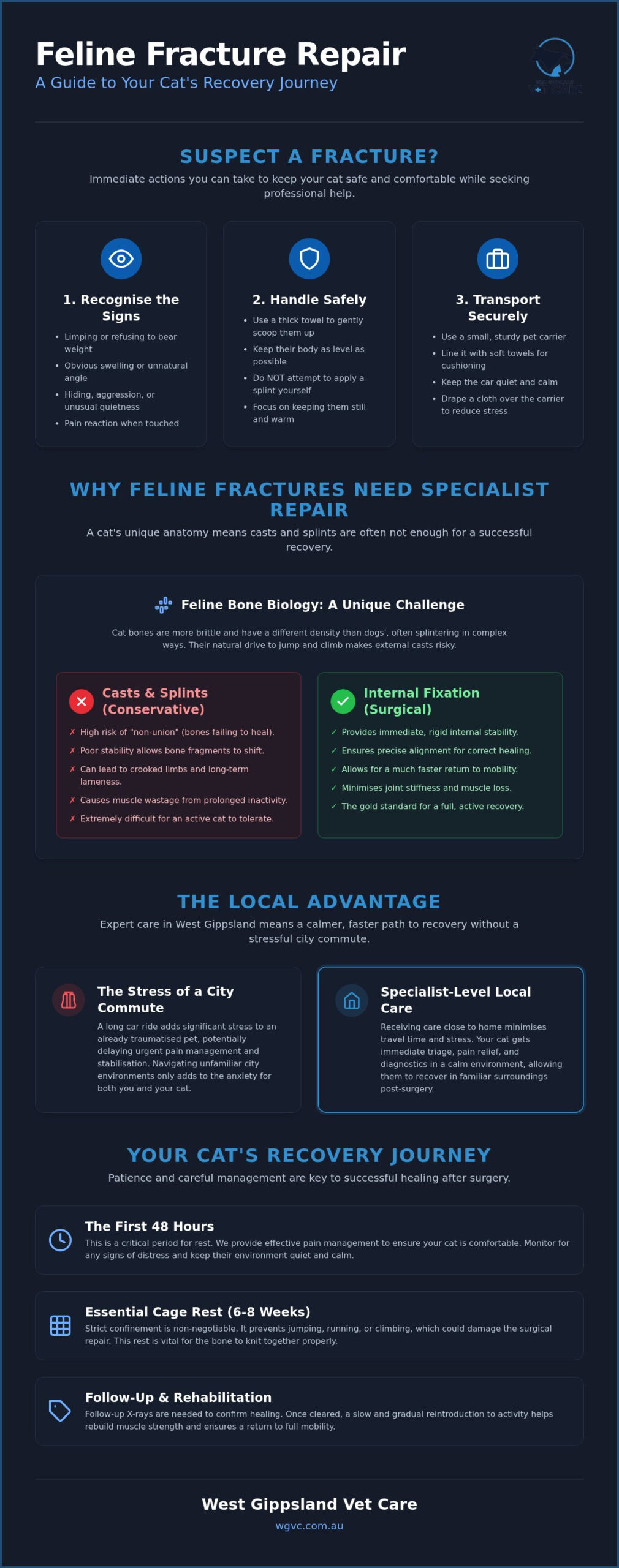
It’s a distressing experience to see your feline friend in pain. Because cats are masters at masking discomfort, noticing a problem early makes a significant difference to their recovery. If your cat is unusually quiet, hiding, or reacting aggressively when touched, they may be suffering from a serious injury. Understanding the clinical nature of a bone fracture helps in realising that what looks like a simple limp could involve complex damage to the musculoskeletal system. Common signs include obvious swelling, a limb held at an unnatural angle, or a refusal to put weight on a leg.
Safe handling is your first priority. An injured cat is often in shock and may lash out instinctively, even at those they love. To prevent bites or further injury, use a thick towel to gently scoop them up, keeping their body as level as possible. Stabilising your pet before you leave the house is vital. Avoid the temptation to “splint” the leg yourself, as this often causes more pain and can worsen the break. Instead, focus on keeping them still and warm while you prepare for the trip to see a cat fracture repair specialist Yarragon families can reach quickly.
Transporting Your Injured Cat Safely
When moving an injured pet, the goal is to limit all unnecessary movement. Use a small, sturdy carrier rather than a large one; a confined space prevents your cat from sliding around during the drive. Line the carrier with soft towels to provide a supportive cushion for the injured limb. It’s helpful to keep the car environment quiet and to drape a cloth over the carrier to create a dark, calming space. This simple step reduces environmental stress, which is crucial when a cat is already dealing with the physiological effects of trauma.
Emergency Triage in West Gippsland
Upon arriving at our clinic, our team immediately begins the triage process. Our first priority is always pain management and stabilising your cat’s vital signs. As a cat fracture repair specialist Yarragon residents trust, we don’t just look at the broken bone; we assess the whole animal for signs of shock or internal injury. Once your cat is comfortable, we move to initial diagnostic steps. Using our on-site imaging, we can quickly determine the exact nature of the fracture. This immediate assessment ensures that we can create a tailored surgical plan that focuses on the best possible outcome for your pet’s long-term mobility.
Understanding Feline Orthopaedics: Why Cats Require Specialised Repair
Feline orthopaedics is the surgical branch specifically dedicated to a cat’s musculoskeletal system. Many people assume that bone repair is a standard procedure across all species, but cats have very specific biological requirements. Their bones are typically more brittle and possess a different density compared to dogs; this means they often splinter or shatter differently during an accident. This delicate anatomy is why seeking a cat fracture repair specialist Yarragon pet owners can rely on is so important for a full recovery.
We commonly treat fractures caused by road trauma or falls from heights, sometimes referred to as “high-rise syndrome”. These impacts often result in complex breaks that require more than just basic stabilisation. Relying on a traditional cast or splint is usually insufficient for a cat. Because felines are naturally active and driven to jump or climb, a cast doesn’t provide the rigid internal support needed to prevent the bone fragments from shifting. Without surgical intervention, the risk of the limb healing crookedly or failing to heal at all is significantly higher.
The Problem with Conservative Management
Managing a break with external splints often leads to complications like “non-union”, where the bone ends simply don’t knit together. It’s also incredibly difficult to keep a cat comfortable in a heavy cast for six to eight weeks. By utilising Advanced Surgical Techniques, we can fix the bone from the inside. This approach provides immediate stability and often allows for a much faster return to normal movement, which is vital for maintaining healthy joints and preventing long-term muscle wastage.
Diagnostic Imaging for Precise Planning
Our process always begins with detailed diagnostic imaging. We use digital X-rays to create a clear map of the injury, allowing us to identify every bone fragment and assess any soft tissue damage. This precision is vital for planning the surgery and ensuring we select the most appropriate hardware for your cat’s specific size and age. This level of detailed care is a hallmark of a cat fracture repair specialist Yarragon. If your pet has suffered an injury, we invite you to book an orthopaedic consultation with our compassionate team to discuss the best options for their care.
Advanced Surgical Techniques for Cat Fracture Repair
When it comes to restoring your pet’s mobility, we focus on techniques that offer the most reliable path to a pain-free life. As a cat fracture repair specialist Yarragon families rely on, we often recommend internal fixation as the gold standard for treatment. This involves using medical-grade bone plates and screws to hold the fractured pieces in perfect alignment. For cats, we frequently utilise “locking plates”. These are specialised systems where the screws lock directly into the plate, creating a rigid structure that doesn’t rely solely on the bone’s own density for stability. This is particularly beneficial for feline bones, which can be more brittle than those of other pets.
In certain cases, intramedullary pinning is the most effective approach. This technique involves placing a stainless steel pin through the hollow centre of the bone to provide internal support. It’s often used for fractures in the middle of long bones, like the femur or humerus. Regardless of the method chosen, safety is our constant focus. We use modern anaesthesia protocols tailored to your cat’s specific health profile; this includes dedicated monitoring of heart rate, oxygen levels, and blood pressure throughout the entire procedure to ensure they remain stable and comfortable.
Internal vs. External Fixation
Deciding between internal and external fixation depends largely on the nature of the break and your cat’s lifestyle. Internal plates are hidden beneath the skin, which means there’s less for your cat to snag or bother during recovery. However, for highly complex or contaminated fractures, an external fixator, which is a frame that sits outside the limb, might be necessary. We work closely with you to choose the method that offers the best balance of stability and comfort for your cat’s unique situation.
Minimally Invasive Approaches
We always strive to minimise tissue trauma during surgery. By using smaller incisions and careful handling, we protect the vital blood supply that surrounds the bone. This biological approach is essential because blood flow is what actually “feeds” the healing process. By incorporating the high standards expected of an orthopaedic vet gippsland, we focus on techniques that speed up recovery times and reduce post-operative swelling. This dedication to gentle, precise surgery is part of our commitment as a cat fracture repair specialist Yarragon, helping your companion return to their favourite sunny spot as quickly as possible.
The Local Advantage: Specialist-Level Surgery in West Gippsland
Many pet owners feel pressured to head towards Melbourne when faced with a complex injury. While city centres offer great skill, the “Melbourne Trek” adds significant stress to an already traumatised cat. Choosing a cat fracture repair specialist Yarragon based means your pet spends less time in a carrier and more time resting in a quiet, familiar environment. We believe that reducing travel time is a clinical benefit; it helps keep heart rates stable and minimises the risk of further shock during transit.
Our local approach also ensures continuity of care. You aren’t just a number in a large hospital system. The vet who performs the surgery is the same professional who will see your cat for their six-week check-up and guide their rehabilitation. This consistency builds trust and allows us to catch subtle changes in your cat’s gait or behaviour that a stranger might miss. Yarragon and Warragul families value this personal connection, knowing their companion is in the hands of a team that truly cares about the local community.
Expertise Without the City Price Tag
Local independent clinics like ours often provide competitive value without compromising on technology. We maintain a specialised orthopaedic surgical suite right here in West Gippsland, equipped with the same advanced hardware found in major centres. We prioritise transparency in our surgical costs, ensuring you understand the path ahead without the overheads often associated with city-based specialist hospitals. By choosing local care, you are also supporting the West Gippsland economy and ensuring that high-level veterinary services remain accessible to everyone in our region.
24/7 Peace of Mind
Recovery doesn’t always follow a 9-to-5 schedule. One of the greatest advantages of staying local is the ongoing support we provide. We offer 24-hour emergency care to our existing clients, which is a vital safety net for our surgical patients. If you have a concern at 10 pm on a Sunday, you aren’t calling a stranger; you are contacting a team that already knows your cat’s history and the specifics of their procedure. As your trusted cat fracture repair specialist Yarragon, we are here to provide the stability and reassurance you need during the healing process. If you’re ready to discuss a treatment plan, please contact our clinic today to speak with our surgical team.
Recovery and Post-Operative Care for Your Cat
The successful repair of a broken bone is a collaborative journey that begins in the theatre and continues in your living room. Once the technical work of your cat fracture repair specialist Yarragon is complete, the focus shifts to providing a stable environment where healing can flourish. The first 48 hours after surgery are the most critical. During this time, your cat will likely be a bit groggy from the anaesthesia and will require a quiet, warm space to rest. We provide a comprehensive pain management plan to ensure they stay comfortable, as keeping a cat calm is essential for preventing accidental damage to the surgical site.
Managing “cage rest” is often the most challenging part for owners, but it’s a vital part of the process. Cats don’t understand that they have internal hardware supporting their bones; they simply feel better and want to return to their usual acrobatics. Restricting their movement isn’t about punishment; it’s about protecting the delicate new bone tissue as it begins to knit together. Most cats adapt well to a large dog crate or a small, furniture-free room where they can still see and interact with their family without the risk of jumping or running.
Environmental Modification at Home
Setting up a “recovery suite” before your cat returns home makes the transition much smoother. Choose a quiet area of the house and equip it with a low-entry litter tray, soft bedding, and their favourite toys. To prevent jumping, you may need to temporarily remove access to high surfaces like windowsills or kitchen benches. Many of our clients find that using pheromone diffusers helps to create a soothing atmosphere, reducing the frustration some cats feel during confinement. This gentle approach ensures your pet remains relaxed while their body does the hard work of healing.
Follow-up and Healing Milestones
We typically schedule follow-up appointments to monitor your cat’s progress and ensure the surgical site is healing cleanly. A major milestone usually occurs around the six-week mark, when we perform follow-up digital X-rays to assess bone density and alignment. These images allow us to see the “callus” or new bone growth forming around the fracture. Once we are satisfied with the internal stability, we can begin a gradual rehabilitation programme. This might involve gentle physiotherapy or short, supervised periods of increased activity. Most cats go on to live full, active lives with no long-term lameness, returning to their favourite sunny spots with the same spirit they had before their injury.
Restoring Your Cat’s Vitality Close to Home
Watching your feline companion recover from a serious injury is a journey that requires patience, skill, and a supportive environment. By choosing a cat fracture repair specialist Yarragon families can rely on, you ensure your pet receives advanced surgical care in a setting that minimises stress and prioritises their comfort. We’ve explored how specialised feline orthopaedics and a dedicated recovery plan can lead to a successful return to normal activity, helping your cat get back to their adventurous self.
Our compassionate, local Gippsland team is committed to providing the highest level of service, supported by advanced on-site diagnostic imaging and a specialised surgical suite. Because we understand that worries don’t always happen during business hours, we provide 24-hour emergency support for our existing clients. This ensures you have peace of mind throughout the entire healing process. If your pet needs expert attention, please contact West Gippsland Vet Care for an orthopaedic consultation. We look forward to partnering with you to help your cat thrive once again.
Frequently Asked Questions
How much does cat fracture repair cost in Gippsland?
The total cost for repairing a feline fracture depends on the complexity of the break and the specific surgical hardware required, such as locking plates or pins. Factors like diagnostic imaging and post-operative medications also influence the final amount. We prioritise transparency and provide a detailed estimate after an initial consultation. While specialist-level surgery in Melbourne can be more expensive, staying local in West Gippsland often provides competitive value while ensuring your cat receives expert orthopaedic care.
Does my cat really need surgery for a broken leg?
Surgery is often the most reliable way to ensure a cat’s bone heals correctly and quickly. While some minor fractures might be managed with strict rest, cats rarely tolerate external splints or casts well; this can lead to the bone failing to knit together. Internal fixation provides the immediate stability your pet needs to remain comfortable. As a cat fracture repair specialist Yarragon families trust, we recommend surgery to achieve the best long-term mobility for your companion.
How long is the recovery period after cat orthopaedic surgery?
The primary healing phase for a feline fracture typically lasts between six and eight weeks. During this time, your cat will need restricted movement to allow the bone to stabilise and new tissue to form. We usually schedule follow-up X-rays at the six-week mark to confirm the bone is knitting together properly. After this milestone, we can slowly begin a structured rehabilitation programme to help your pet regain their strength and flexibility safely.
Will my cat walk normally again after a fracture repair?
Most cats return to their normal, active lives with no visible lameness after a successful surgical repair and proper recovery. The key to a full recovery is ensuring the bone is perfectly aligned and stabilised during surgery. By following our post-operative care instructions and attending regular check-ups in Yarragon or Warragul, you give your cat the best chance of jumping and climbing just as they did before the accident occurred.
Can any vet perform cat fracture surgery or do I need a specialist?
While many veterinarians perform minor procedures, complex feline fractures often require the advanced equipment and focused experience of an orthopaedic team. We maintain a specialised surgical suite and on-site diagnostic imaging to handle intricate cases right here in West Gippsland. Choosing a cat fracture repair specialist Yarragon ensures your pet benefits from precise surgical techniques, like internal locking plates, which are specifically designed for the unique density and brittle nature of feline bones.
What are the risks of anaesthesia for my cat during surgery?
Modern anaesthesia is very safe for cats, especially when protocols are tailored to each individual’s health profile and age. Our team uses advanced monitoring equipment to track heart rate, blood pressure, and oxygen levels throughout the entire procedure. We also perform pre-operative health checks and use an in-house laboratory to ensure your cat is a fit candidate for surgery. This careful, proactive approach significantly reduces risks and helps ensure a smooth, comfortable recovery.
What happens if I cannot afford the full surgical repair?
We understand that unexpected surgical costs can be stressful and we encourage you to have an open, honest dialogue with our team. If a full surgical repair isn’t financially feasible, we can discuss alternative options that prioritise your cat’s comfort and quality of life. In some cases, limb amputation is a functional and effective solution that removes the source of pain and allows the cat to return to a happy, active life very quickly.
How do I stop my cat from jumping after bone surgery?
Restricting your cat’s movement is best achieved by using a large dog crate or a small, furniture-free room during the healing phase. Removing access to high surfaces like windowsills and kitchen benches prevents the impulse to jump, which could damage the surgical repair. You can also use pheromone diffusers to help keep your cat calm and settled while they’re confined. Providing interactive, ground-level toys will keep them mentally engaged without risking their physical recovery.